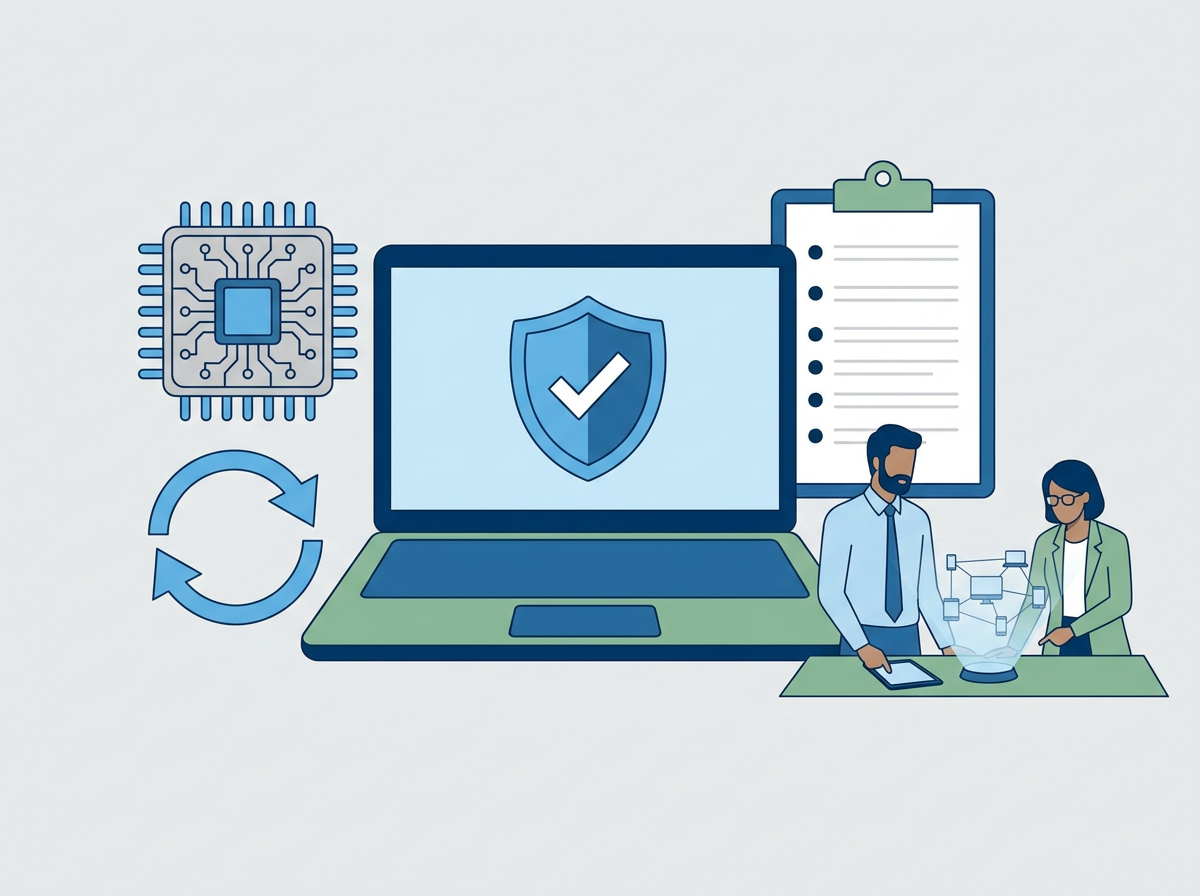
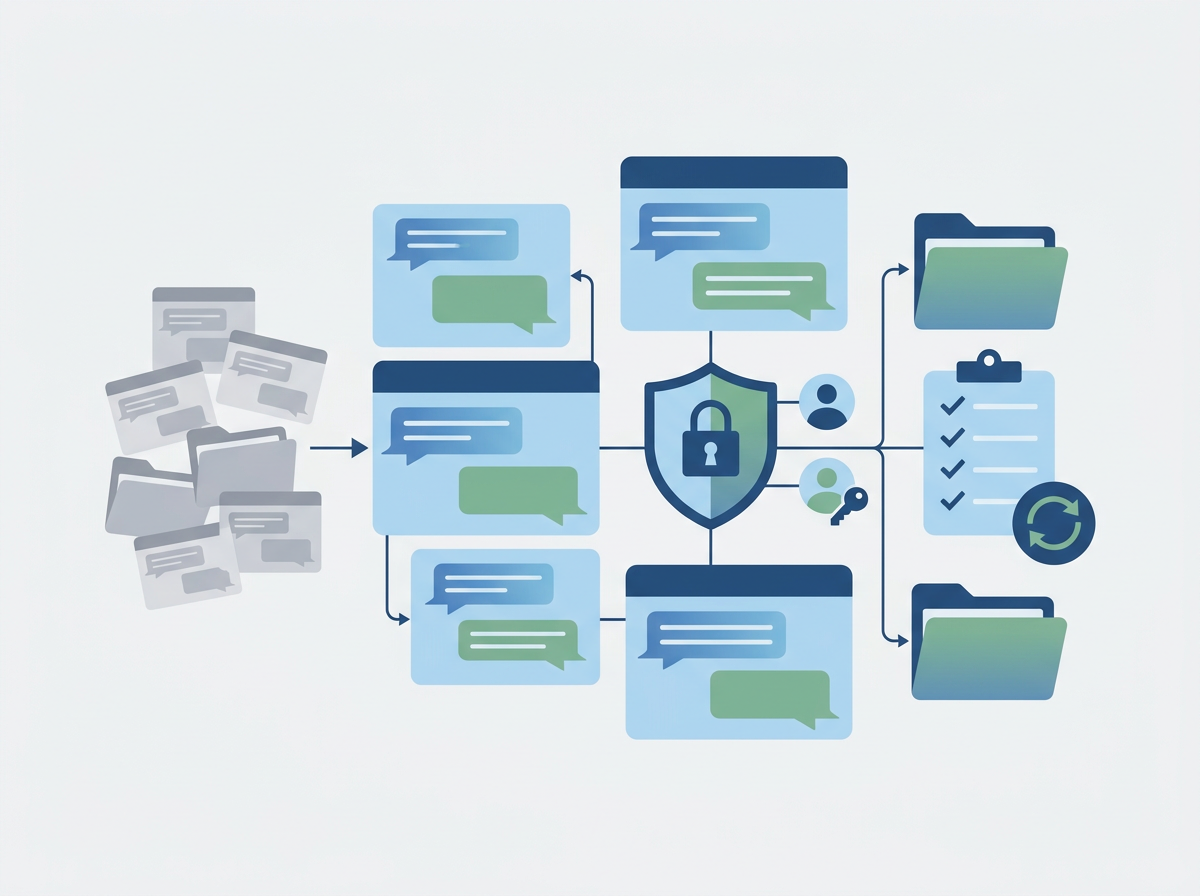
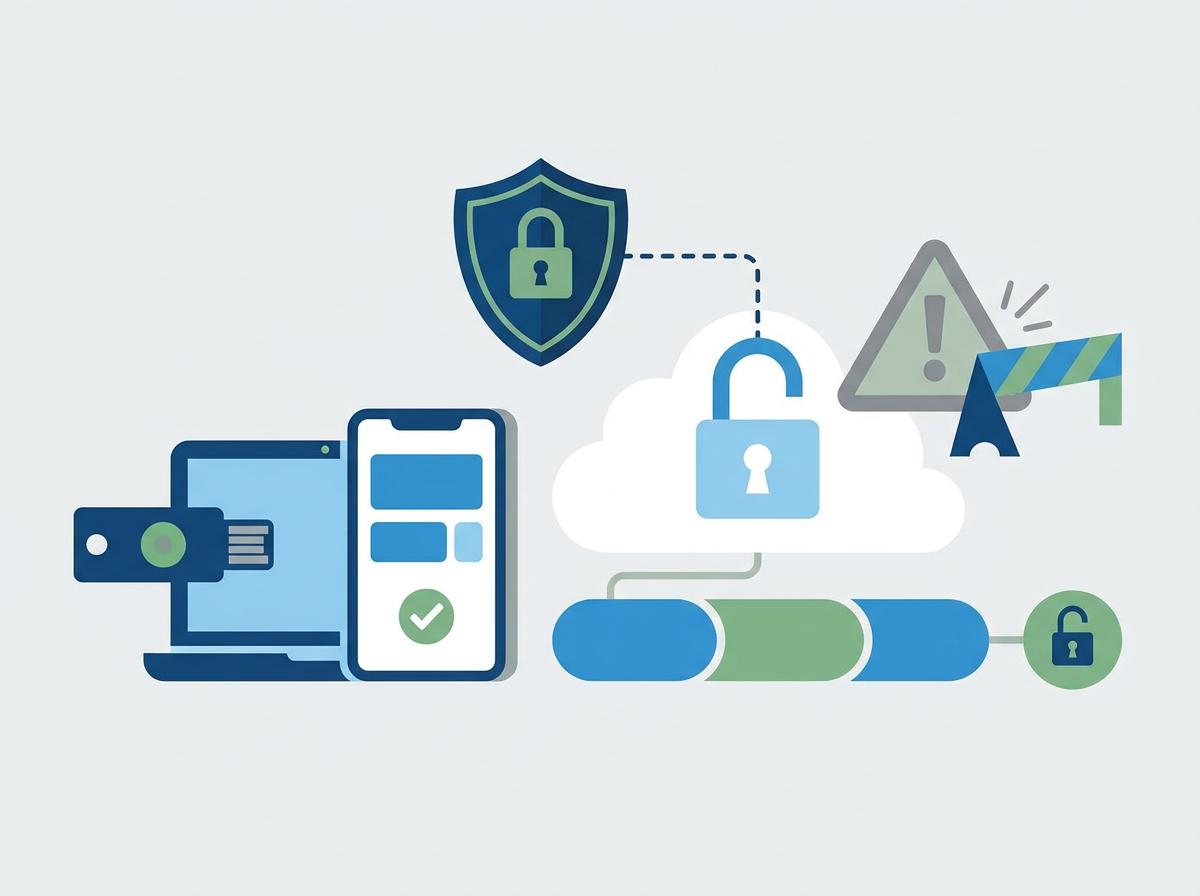
To minimise the potential impact of risks, it is crucial for organisations to assess the risks associated with their IT systems and processes and take proactive measures.
Information technology (IT) is an integral part of modern organisations and plays a crucial role in their success and security. With the increasing dependence on technology, it is vital for organisations to perform IT system monitoring and assess the risks associated with their IT systems and processes and take measures to minimise their potential impact. This is why it is essential to know the purpose and importance of IT risk assessment, especially if are a cybersecurity professional or a business owner.
If you want to learn more about the topic of IT risk assessment, look no further! In this article, we offer you a complete guide to IT risk assessment, including the steps involved and common types of assessments. But before we dive in, let’s understand what IT risk assessment is, its main objectives, and when to conduct such an assessment.
IT risk assessment is the process of identifying, evaluating, and prioritising potential risks to an organisation’s information technology (IT) systems and processes. The goal of an IT risk assessment is to understand the potential impact of risks on the organisation and to take proactive measures to prevent, manage, or mitigate their effects. This may include implementing risk management strategies, such as security controls, monitoring, and contingency plans.
IT risk assessments are a critical component of an organisation’s risk management strategy. By identifying and evaluating potential risks to their IT systems and processes, organisations can proactively prevent, manage, or mitigate the impact of these risks.
The IT risk assessment process considers factors such as the likelihood of a risk occurring and its potential impact on the organisation’s assets, including its reputation, financial performance, and ability to operate. By conducting regular IT risk assessments, organisations can continuously monitor and mitigate IT risks to ensure the security and availability of their IT systems and processes.
IT risk assessment is a crucial process that helps organisations understand the potential risks to their IT systems and processes, and take proactive measures to minimise their impact. The following elaborates on the key reasons why organisations perform IT risk assessment:
IT risk assessments should be conducted on a regular basis, at least annually or whenever there is a significant change to the IT systems and processes. The following are some of the key triggers for conducting IT risk assessments:
Annual review: IT risk assessments should be conducted annually to ensure that the organisation’s risk management efforts remain relevant and up-to-date.
Significant changes: IT risk assessments should be conducted whenever there is a significant change to the IT systems and processes, such as the implementation of new technologies, the addition of new users, or the transfer of sensitive information.
Compliance requirements: IT risk assessments should be conducted whenever the organisation is required to meet new regulatory or legal requirements.
Security incidents: IT risk assessments should be conducted whenever there is a security incident, such as a data breach or cyber attack, to identify the root cause and implement measures to prevent similar incidents in the future.
Business continuity planning: IT risk assessments should be conducted as part of the organisation’s business continuity planning efforts to identify potential threats to the availability of IT systems and processes and implement measures to prevent or mitigate them.
The process of IT risk assessment typically includes the following steps:
There are several commonly used IT risk assessment methodologies, each offering different approaches to evaluating and managing IT risks.
Quantitative risk assessments use mathematical and statistical models to evaluate and prioritise risks based on their likelihood and impact. This type of assessment provides a more objective and data-driven approach to risk evaluation and prioritisation, making it well-suited to organisations with large and complex IT systems and processes.
Qualitative risk assessments, on the other hand, use subjective judgment and expert opinion to evaluate and prioritise risks. This type of assessment is typically faster and less resource-intensive than quantitative assessments, making it well-suited to smaller organisations and those with less complex IT systems.
Threat and vulnerability assessments identify and evaluate potential threats to an organisation’s IT systems and processes, as well as the vulnerabilities that may allow these threats to be exploited. This type of assessment is essential for ensuring the security of IT systems and processes and can help organisations identify areas for improvement in their security controls and processes.
Business impact analysis evaluates the potential impact of IT risks on the organisation’s business operations, including its revenue, reputation, and ability to operate. This type of assessment is essential for understanding the full impact of IT risks on an organisation and can help organisations prioritise their risk management efforts accordingly.
Compliance risk assessments evaluate an organisation’s compliance with relevant regulations and standards, such as the UK GDPR and NIS. This type of assessment is essential for organisations operating in regulated industries and can help ensure that they are meeting their regulatory obligations.
Penetration testing simulates a real-world attack on an organisation’s IT systems and processes to identify and evaluate vulnerabilities. This type of assessment provides a hands-on, real-world evaluation of an organisation’s security controls and can help organisations identify and prioritise areas for improvement.
Security audits evaluate an organisation’s security controls and processes to identify areas for improvement and ensure compliance with best practices. This type of assessment is essential for ensuring the security of IT systems and processes and can help organisations identify areas for improvement in their security posture.
Disaster recovery and business continuity planning assess an organisation’s preparedness for disasters and other disruptive events, including its ability to recover from IT-related failures and maintain business operations. This type of assessment is essential for ensuring the continuity of business operations and can help organisations identify areas for improvement in their disaster recovery and business continuity plans.
Identifying which type of IT assessment needs to be done is a critical step in the overall risk management process. By taking the following factors into account, organisations can ensure that they select the right assessment approach and effectively manage the IT risks that they face:
Purpose: To make an informed decision, it is important to consider the specific purpose of the assessment. For example, if the goal is to identify vulnerabilities in a system, then a vulnerability assessment or penetration test may be the most appropriate approach. On the other hand, if the goal is to ensure compliance with a specific regulation, then a compliance audit may be more appropriate.
Scope: Once the purpose has been defined, it is important to establish the scope of the assessment. This includes identifying the systems, processes, and data that will be evaluated. Factors that should be considered include the criticality and sensitivity of the IT assets and data, as well as any regulatory or compliance requirements that may apply.
Resources: Another key consideration is the resources that are available to conduct the assessment. This includes the budget, staff, and technology tools that are needed to perform the assessment effectively. Organisations should ensure that they have sufficient resources to complete the assessment, as well as any necessary remediation activities.
Risk level: The risk level of the IT assets and data is another important factor to consider when deciding which type of IT assessment to perform. If there are critical vulnerabilities that require immediate attention, then a more comprehensive approach may be needed. On the other hand, if the risk level is relatively low, then a more focused and targeted approach may be appropriate.
Methodology: Finally, the appropriate risk assessment methodology must be chosen based on the objective, scope, resources, and risk level. Qualitative risk assessment methodologies are typically used when there is limited data available or when the risks are difficult to quantify, whereas quantitative risk assessment methodologies are used when there is sufficient data to perform statistical analyses. Hybrid risk assessment methodologies combine elements of both qualitative and quantitative approaches.
Keep in mind that the type of assessment used will also depend on an organisation’s specific needs and its size, complexity, and industry.
Regardless of the type of assessment used, IT risk assessments are an essential component of an effective risk management strategy, helping organisations ensure the security and availability of their IT systems and processes, and meet regulatory requirements. However, if you’re looking to protect your organisation’s IT systems and processes from potential risks, it’s crucial to consider conducting a comprehensive IT risk assessment.
With that being said, the process can be complex and time-consuming, especially for organisations that lack the expertise and resources to effectively evaluate and prioritise their IT risks. In such situations, it’s a good idea to seek the help of a reliable IT consultancy.
At Amazing Support, we have a team of IT consultants that’s highly experienced in conducting IT risk assessments aimed at identifying the potential risks to your IT systems and processes while advising suitable solutions to mitigate them. By working with us, you can proactively manage risks to your IT assets, maintain regulatory compliance and ensure business continuity.
To learn more about how we can help, contact us today!