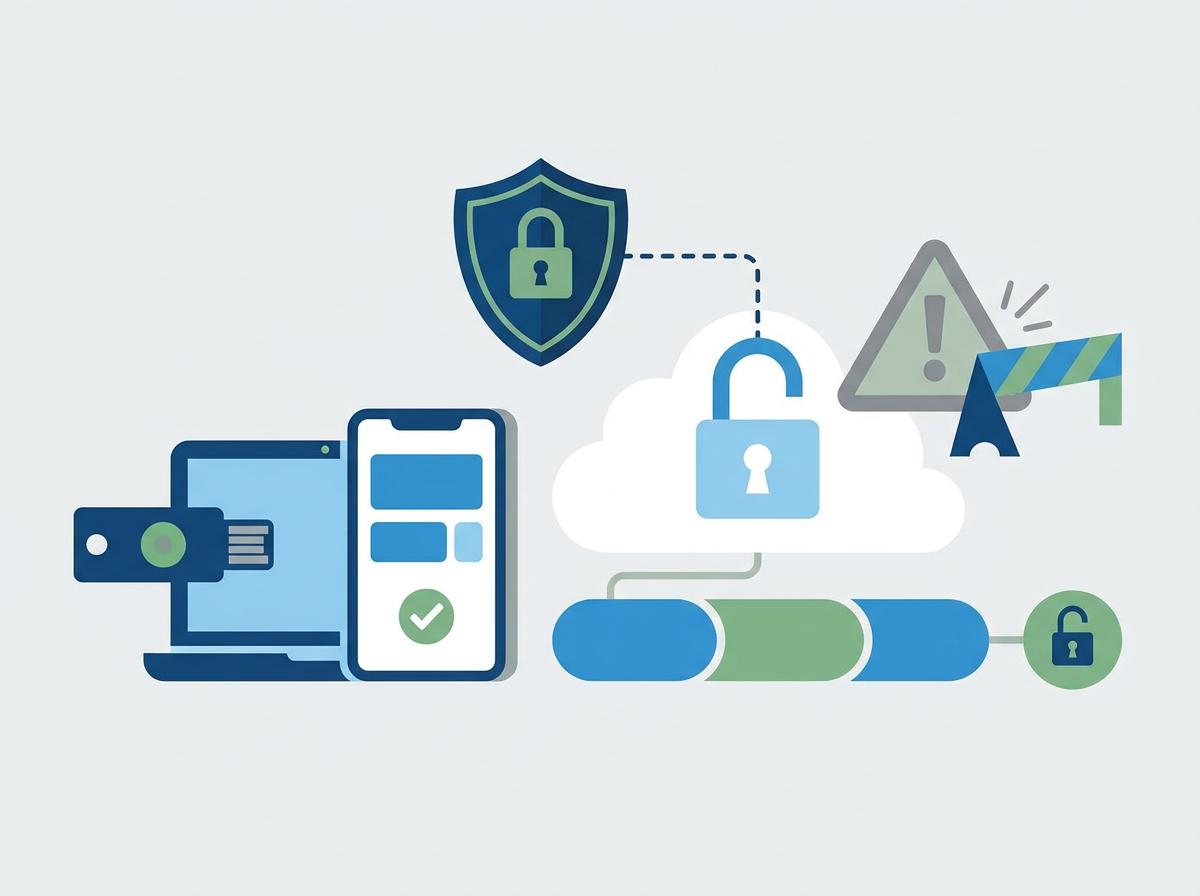
Given the growing level of reliance of modern businesses on IT, it’s crucial for business leaders to have concern about IT risk in their organisations.
Information Technology (IT) has become an integral part of our daily lives, both at home and in the workplace. As organisations rely more on technology to conduct their operations, IT risk can have a significant impact on an organisation’s operations, financials, reputation, and overall success.
At the same time, the risk associated with IT, including cybersecurity risk, has increased significantly over the years. Therefore, it is crucial for organisations to pay attention to IT risk and take measures to manage it proactively.
In this article, we will take a look at the various types of IT risk factors and how to manage them effectively. But before we dive in, let’s understand what IT risk is and why should your organisation be concerned about it.
IT risk refers to the potential for loss or damage to an organisation’s assets, operations, or reputation resulting from the adoption, use, ownership, or operation of IT systems and infrastructure. This includes both internal and external risks which can arise from a variety of sources, including cybersecurity threats, hardware and software failures, data breaches, natural disasters, and non-compliance with legal and regulatory requirements.
An organisation should be concerned about IT risk factors for several reasons:
Safeguarding from Financial Loss: IT risks can result in significant financial losses for organisations. Cyber-attacks, for example, can lead to the theft of sensitive information, financial loss due to fraud, or interruption of operations, leading to lost revenue.
Maintaining Business Continuity: IT risks can also impact an organisation’s ability to conduct its operations effectively and efficiently, leading to business disruption and downtime.
Protecting from Reputational Damage: IT risks can also lead to reputational damage for organisations. Data breaches, cyber attacks and other IT-related incidents can result in a loss of trust and credibility among customers, stakeholders, and partners, which can be difficult to regain.
Gaining Competitive Advantage: Effective IT risk management can also provide a competitive advantage. organisations that are perceived as having robust IT risk management practices are likely to be more attractive to customers and partners.
Maintaining Legal and Regulatory Compliance: IT risks can also arise as a result of non-compliance with legal and regulatory requirements, such as data protection and privacy regulations and also industry-specific compliance requirements. Non-compliance with these regulations can not only result in fines and legal action, but also affect business continuity.
Managing IT risk requires a combination of technical and managerial controls. Some of the most common strategies for managing IT risk include:
Risk Assessment: Risk assessment involves identifying and analysing potential IT risks and their likelihood and impact on the organisation. organisations should identify and assess IT risk by conducting regular risk assessments to identify potential threats and vulnerabilities. This process should be ongoing, as new risks can emerge as technology and business practices evolve. We have written a detailed guide on this topic, which you can read here.
Risk Management: Once IT risks have been identified and assessed, organisations should develop a risk management plan that outlines how risks will be managed and mitigated. The plan should include specific actions and timelines for implementing risk management controls. It’s also important to monitor and review the risk management strategy. Monitoring and reviewing the risk management strategy involves regularly assessing the effectiveness and relevance of the risk management controls and adjusting them as needed to ensure that the organisation is adequately protected from IT risk.
Risk Mitigation: Organisations should implement risk management controls to mitigate the identified IT risks. Risk mitigation involves taking steps to reduce the likelihood or impact of IT risks. This can include everything from implementing security controls to disaster recovery planning. Controls can include cybersecurity measures, such as firewalls and anti-virus software, and operational controls, such as backup and recovery procedures.
Risk Transfer: Risk transfer involves transferring some or all of the IT risk to a third party. This is typically done through the purchase of insurance or by outsourcing certain IT functions to a third-party provider who assumes the risk associated with those functions. Risk transfer can be an effective way to manage IT risks, but it is important to carefully evaluate the terms of any insurance policy or outsourcing agreement to ensure that the organisation is adequately protected and that the transfer of risk does not create new risks or vulnerabilities.
Risk Acceptance: Risk acceptance involves accepting the potential impact of IT risk and developing contingency plans to mitigate potential losses. This is often a last resort in IT risk management and is typically only considered when the cost or effort of mitigating the risk is greater than the potential impact of the risk itself. For example, an organisation may decide to accept the risk of a low-level security vulnerability on a legacy system rather than spend the resources to update or replace the system.
IT risk can be categorised into various types, including:
Cybersecurity risk is perhaps the most well-known type of IT risk. It refers to the potential for loss or damage resulting from unauthorised access to or theft of an organisation’s IT systems and data. Cybersecurity risks can take many forms, including but not limited to phishing attacks, malware, ransomware, data breach and social engineering attacks. Such cyber-attacks can result in significant financial losses for organisations, as well as damage to their reputation.
Common solutions for managing cybersecurity risk include employee training and awareness, access controls, network security measures, data backups and recovery plans, security testing and vulnerability management, and incident response planning. Implementing these solutions can help to minimise the impact of cyber attacks and data breaches.
Operational risk refers to the potential for loss resulting from inadequate or failed internal processes, people, or systems. This type of risk includes system failures, human errors, and management failures. Operational risk can have a significant impact on an organisation’s ability to conduct its operations effectively and efficiently.
Common solutions for managing operational risk include business continuity planning, change management, incident management, regular testing and monitoring, and vendor management. These solutions can help organisations minimise the impact of disruptions, and maintain the functionality of IT systems and applications.
Infrastructure risk refers to the potential for loss or damage resulting from hardware or software failures. This can include everything from server crashes to network failures, and can result in significant downtime, data loss, or system corruption.
To manage infrastructure risk, organisations can implement hardware and software monitoring systems with alerts, have redundant hardware or backup systems, and implement physical security measures like surveillance cameras and access controls. Regular testing of backup systems can ensure their reliability in case of failure.
Disaster risk refers to the potential for physical loss or damage resulting from natural disasters, such as floods, fires, or earthquakes. Organisations that fail to plan for disaster risk can experience significant downtime and data loss, leading to significant financial losses.
Common solutions for managing disaster risk with regards to IT risk include business continuity planning, disaster recovery planning, data backup and recovery, cloud services, and redundancy. These solutions can help organisations to maintain critical business operations, quickly recover from disasters, and minimise the potential impact of disasters on their IT systems and applications.
Non-compliance risk is the potential for loss resulting from non-compliance with legal and regulatory requirements. This can include everything from data protection and privacy regulations to industry-specific compliance requirements. Compliance is becoming increasingly important as governments around the world introduce more stringent regulations governing the collection, storage, and use of personal data.
Common solutions for managing non-compliance risk with regards to IT risk include regular audits and assessments, policies and procedures, employee training and awareness, risk assessments, and ensuring contractual obligations with third-party vendors and partners. These solutions can help organisations to ensure compliance with applicable laws, regulations, and industry standards, and minimise the potential impact of non-compliance on their operations and reputation.
Whether outsourcing IT risk management is a better idea than handling it in-house depends on several factors, such as the organisation’s size, budget, and availability of skilled resources. However, there are some potential advantages to outsourcing IT risk management that organisations should consider:
Access to Expertise: IT risk management is a complex and specialised field, requiring specialised knowledge and skills. Outsourcing IT risk management can provide access to a team of experts who have experience in managing IT risk across multiple organisations and industries. These experts can provide valuable insights and recommendations to help organisations better manage their IT risk.
Cost Savings: Outsourcing IT risk management can be cost-effective, particularly for small and medium-sized organisations that may not have the budget to hire a dedicated IT risk management team. Outsourcing IT risk management can also provide cost savings by reducing the need for in-house training and development of IT risk management expertise.
Improved Scalability: Outsourcing IT risk management can provide organisations with greater scalability. IT risk management providers can quickly scale up or down their services based on the organisation’s needs, ensuring that the organisation has the right level of support at all times.
Access to Technology: IT risk management providers typically have access to the latest technology and tools to manage IT risk effectively. By outsourcing IT risk management, organisations can benefit from these tools without the need to invest in expensive software and infrastructure themselves.
Reduced Liability: Outsourcing IT risk management can also help organisations reduce their liability in the event of an IT-related incident. IT risk management providers typically have insurance coverage to protect their clients in case of a data breach or other IT-related incident, reducing the organisation’s exposure to risk.
IT risk is a growing concern for organisations in today’s digital age. Effective IT risk management is essential to minimise the potential impact of IT risk on an organisation’s operations, finances, reputation, and overall success. By understanding the types of IT risk and implementing comprehensive risk management strategies, organisations can better protect themselves from the potential threats associated with information technology and gain a competitive advantage.
With that being said, the first step in this direction is performing an in-depth IT risk assessment. At Amazing Support, we have a team of IT consultants that’s highly experienced in conducting IT risk assessments and advising suitable solutions to mitigate them. By working with us, you can proactively manage risks to your IT assets, maintain regulatory compliance and ensure business continuity.
To learn more about how we can help your organisation stay protected from potential IT risks, contact us today!