Struggling with surprise IT spend? Here’s how SMEs build a predictable IT budget: support, Microsoft 365, security, projects, and refresh cycles.
If IT spend feels random, it’s usually because IT is being treated as a series of emergencies rather than a managed service with a roadmap. One month it’s a new laptop, the next it’s a firewall renewal, then a security incident forces an urgent project no one planned for. The business isn’t “bad at budgeting” — it just doesn’t have a clear model for separating steady-state running costs from planned change.
A good SME IT budget isn’t about spending less at all costs. It’s about spending deliberately: predictable monthly support, clear licensing, planned device refresh, and a security baseline that reduces nasty surprises.
Amazing Support is a multi-award-winning, Microsoft Partner and Cyber Essentials Plus certified provider supporting UK SMEs across London, Greater London and Manchester — and we find that once budgeting is structured properly, leadership gets calmer decision-making and IT becomes easier to scale.
In plain English: predictable IT budgeting means you know what you’ll spend each month to “run the business”, and you plan separately for improvements and growth.
The 4 buckets every SME IT budget needs
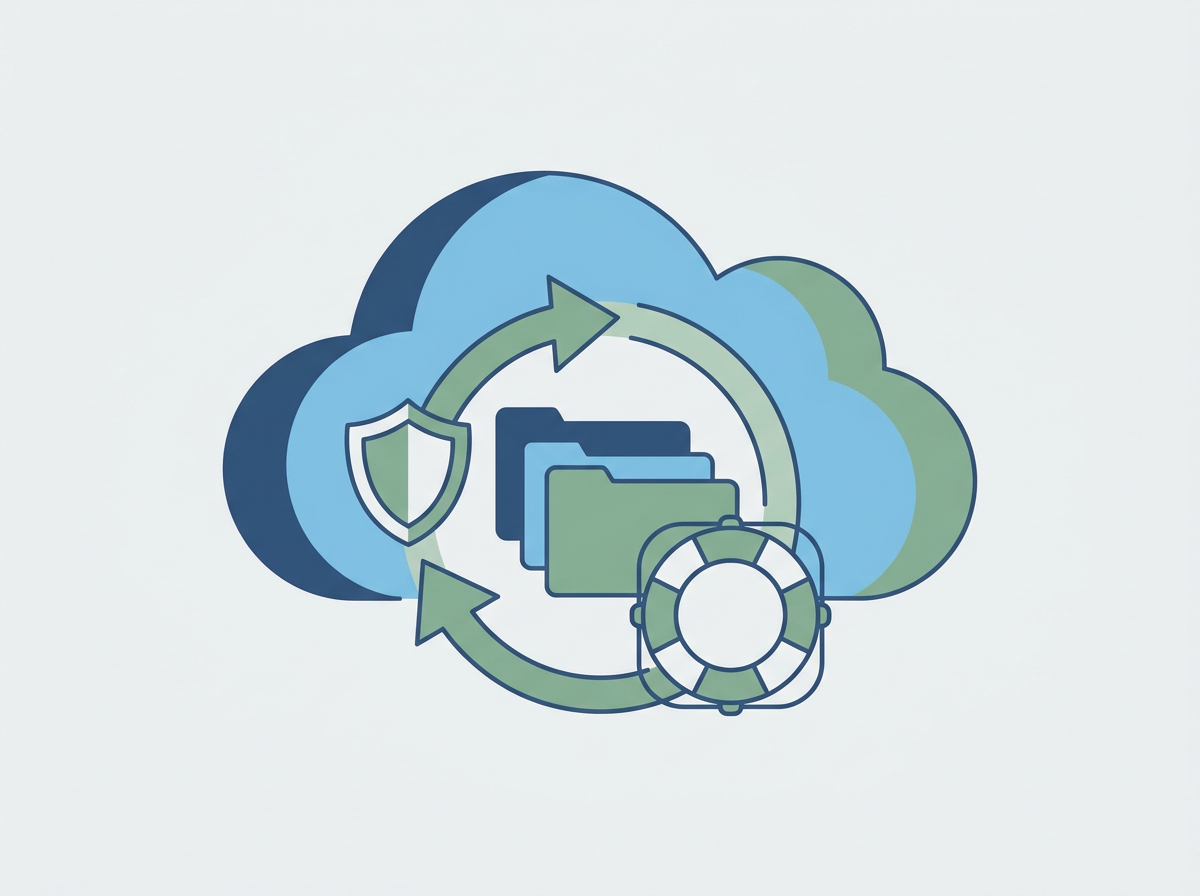
1) Run (monthly predictable costs)
- managed IT support
- monitoring and endpoint protection
- Microsoft 365 licensing
- backup services
- internet connectivity (where relevant)
2) Protect (security baseline + uplift)
- MFA/Conditional Access improvements
- security awareness and phishing simulations
- vulnerability remediation
- cyber insurance readiness work (if applicable)
3) Change (projects)
- migrations
- new office setups
- network upgrades
- major process improvements (e.g., Teams/SharePoint governance)
4) Refresh (device lifecycle)
- laptops/desktops every 2–3 years (typical)
- servers/network kit on a planned cycle
- predictable replacement schedule avoids panic buying
How to stop “surprise spend”
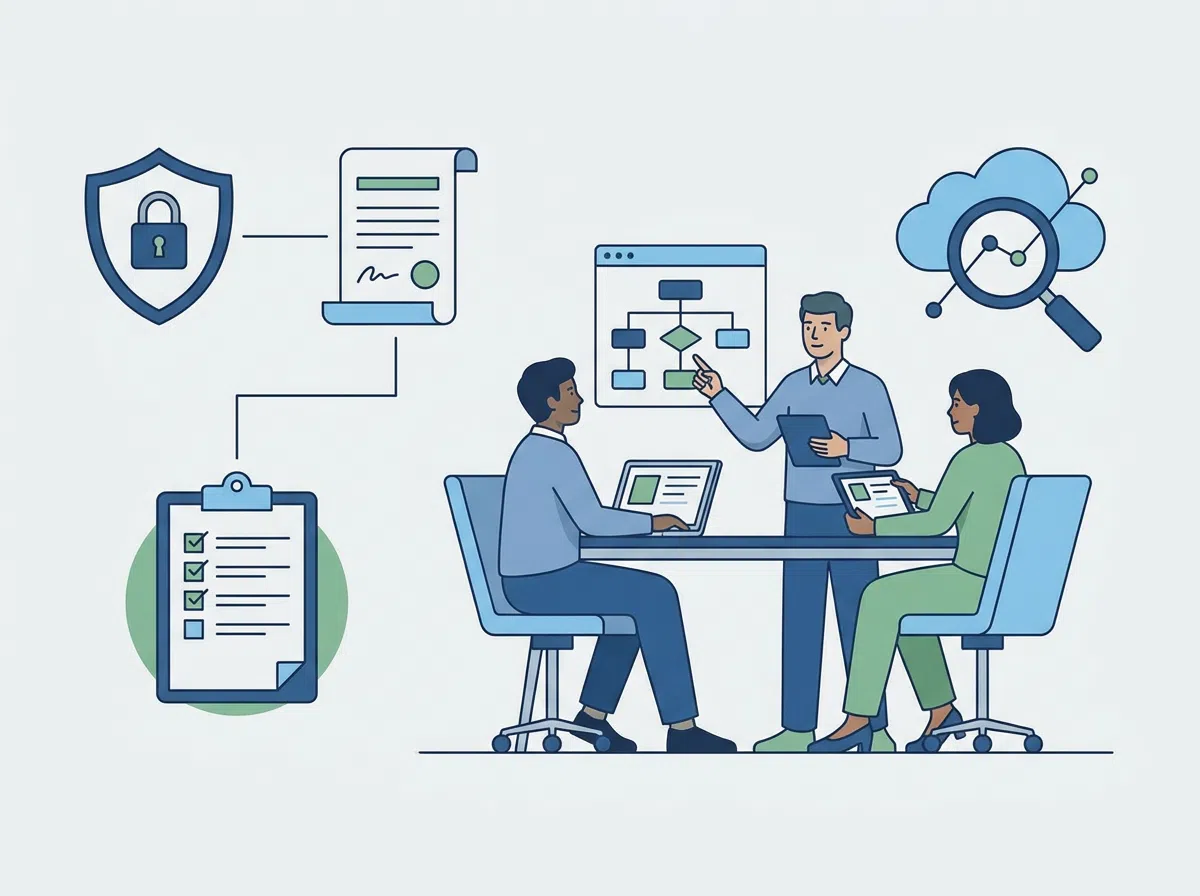
- create a 12-month roadmap (even a simple one)
- agree what’s included vs project work
- standardise devices and builds
- review quarterly (so the plan stays real)
FAQ
What’s a typical SME IT budget?
It varies by industry and risk, but the key is separating predictable monthly costs from planned projects and refresh cycles so you can forecast accurately.
Should we budget for security separately?
Yes — treat security as a baseline you maintain, plus an improvement roadmap. Otherwise it becomes reactive.
If you want IT spend to feel predictable (and aligned to business priorities), we can build a simple 12‑month
IT roadmap and budget model that removes the “what’s the next surprise?” feeling.