Real-world business continuity lessons for London SMEs—what to plan, test, and improve for resilience in 2026.
Business Continuity Planning for London SMEs: Lessons from Real Incidents (2026)
Business continuity is more than a policy—it’s a survival tool. In 2026, London SMEs face new risks: cyber attacks, supply chain disruptions, and even extreme weather. Learning from real incidents can make your continuity plan stronger and more practical.
Amazing Support is a multi-award winning, Microsoft Partner and Cyber Essentials certified provider supporting SMEs across London, Greater London, and Manchester. Here’s how to build, test, and improve your plan—based on what actually goes wrong.
Lessons from Real Incidents
Cyber attack shuts down email for 3 days:
The fix? Pre-tested cloud backups and a communication plan for clients.
Office flood makes premises unusable:
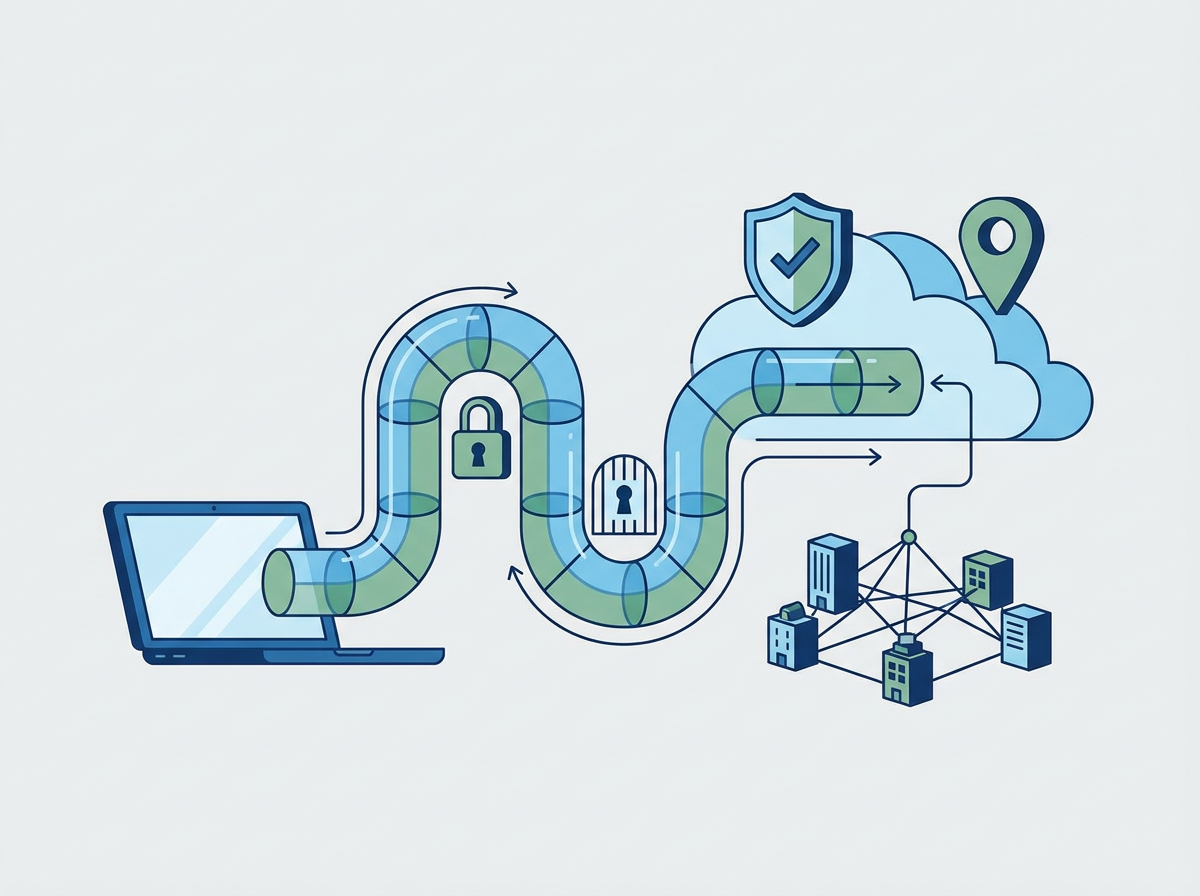
Remote access and device provisioning kept staff working from home.
Key supplier outage halts operations:
Diversified vendors and clear escalation paths restored service quickly.
What to Include in Your Continuity Plan
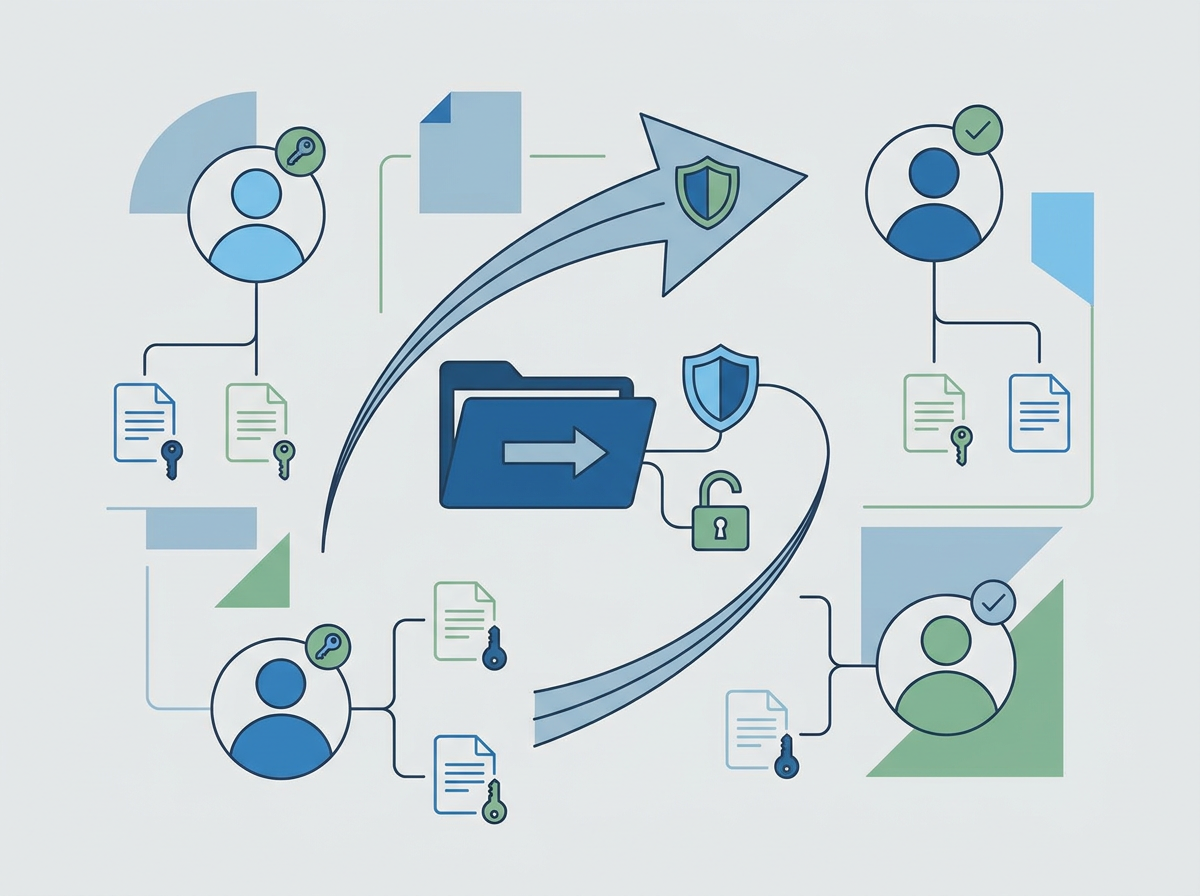
- Contact lists for staff, clients, and vendors
- Step-by-step recovery actions for common scenarios
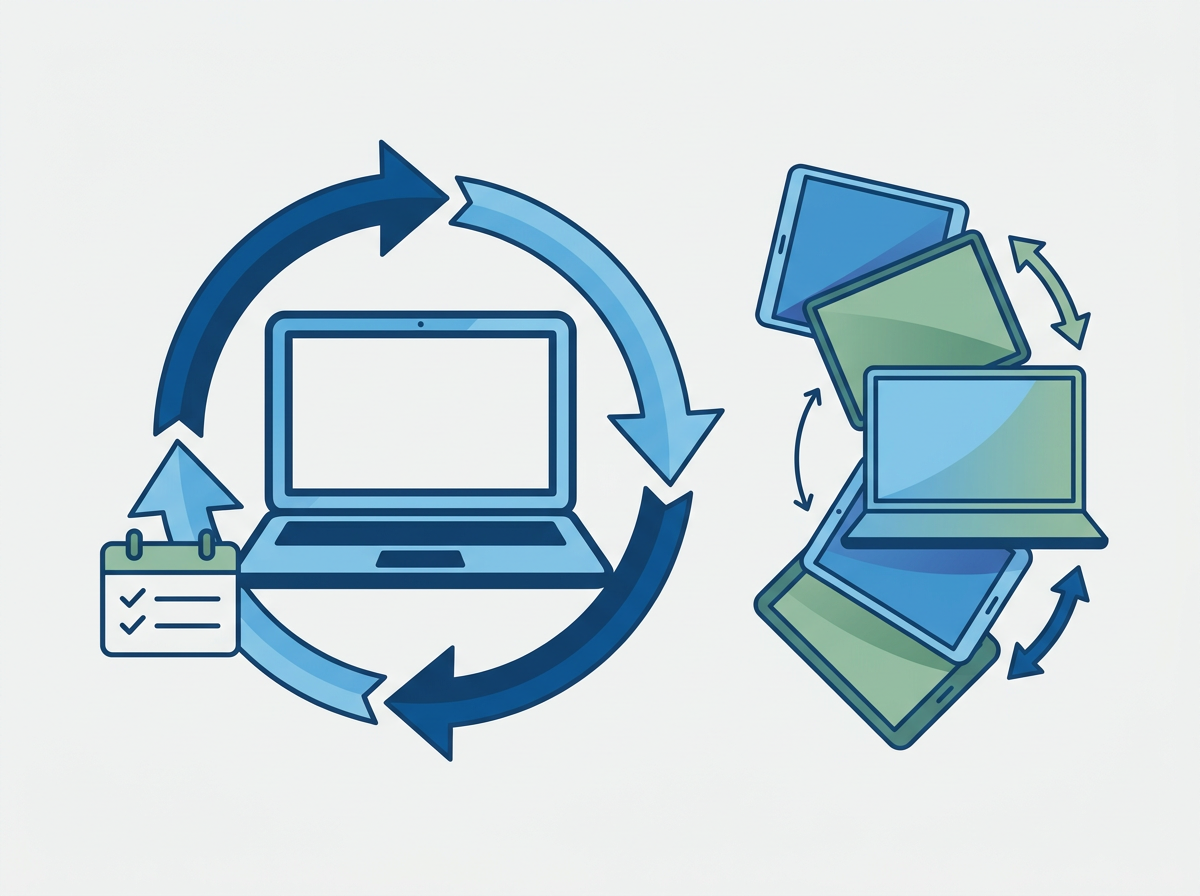
- Regular backup and restore testing
- Communication templates for incidents
- Roles and responsibilities for crisis management
How to Test and Improve Your Plan
- Run tabletop exercises and scenario drills
- Review and update after every real incident
- Involve leadership and key staff in planning and testing
FAQs
How often should we test our plan?
At least annually, or after major changes/incidents.
Who should own business continuity?
Leadership, with IT and operations support.
What’s the most common mistake?
Letting the plan gather dust—review and test regularly.
We help London SMEs build, test, and improve
business continuity plans—so you’re ready for anything, not just hoping for the best.