Security reporting shouldn’t be noise. Here’s a practical SME cyber dashboard: identity, devices, backups, incidents, and actions — without jargon.
Most cyber reporting fails for one of two reasons: it’s either too technical to be useful, or it’s so high-level it becomes meaningless (“everything is fine”). SME leaders don’t need a flood of alerts — they need a clear view of risk, trends, and what’s being done about it. The goal is confidence and decision-making, not theatre.
A good cyber dashboard answers simple, leadership-level questions: Are we getting safer over time? Where are we exposed? What changed this month? What are the top actions next?
Amazing Support is a multi-award-winning, Microsoft Partner and Cyber Essentials Plus certified provider supporting UK SMEs across London, Greater London and Manchester — and we find that when reporting is consistent, security becomes a managed process rather than a vague worry.
In plain English: cyber security reporting is a regular summary of your security posture and actions, designed for decisions — not for IT jargon.
What an SME cyber dashboard should include (and why)
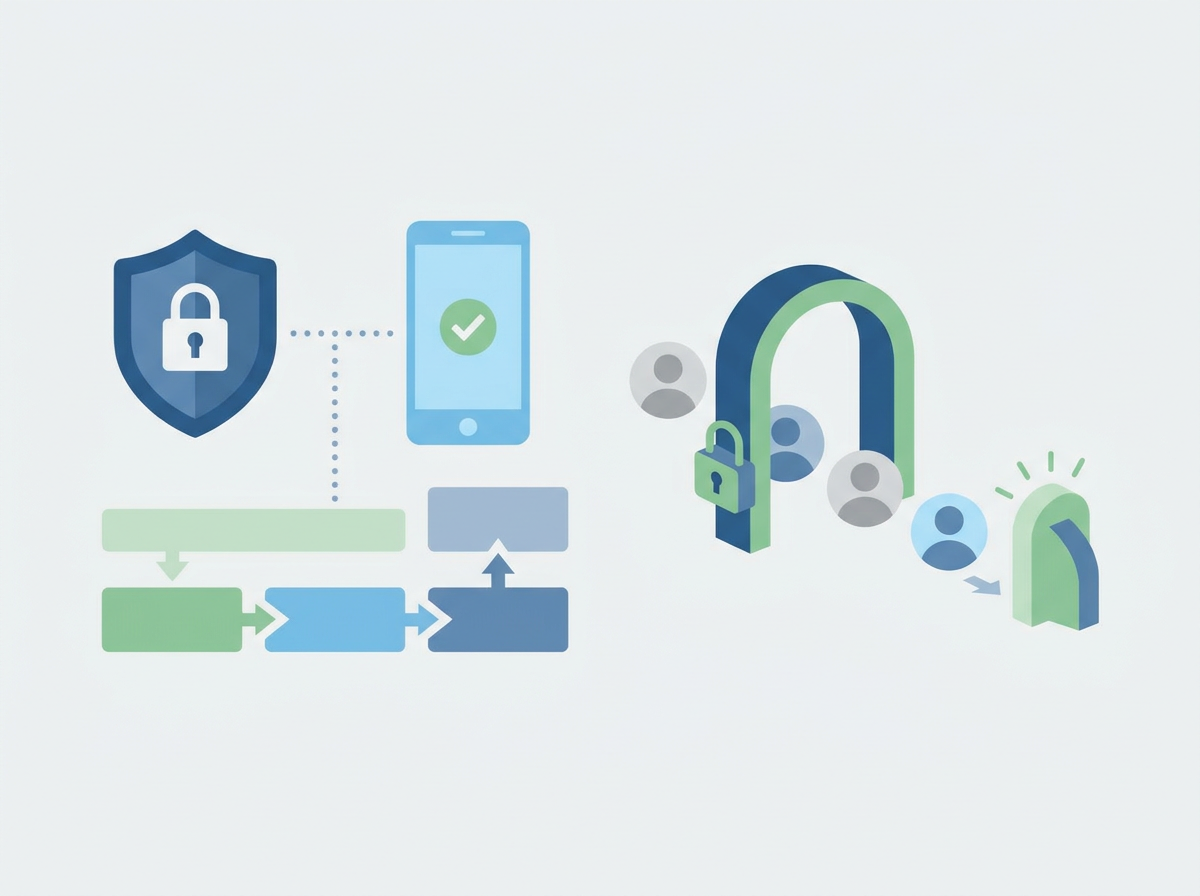
1) Identity and access
- MFA coverage (especially admins)
- risky sign-ins and blocked attempts
- privileged accounts count and protection status
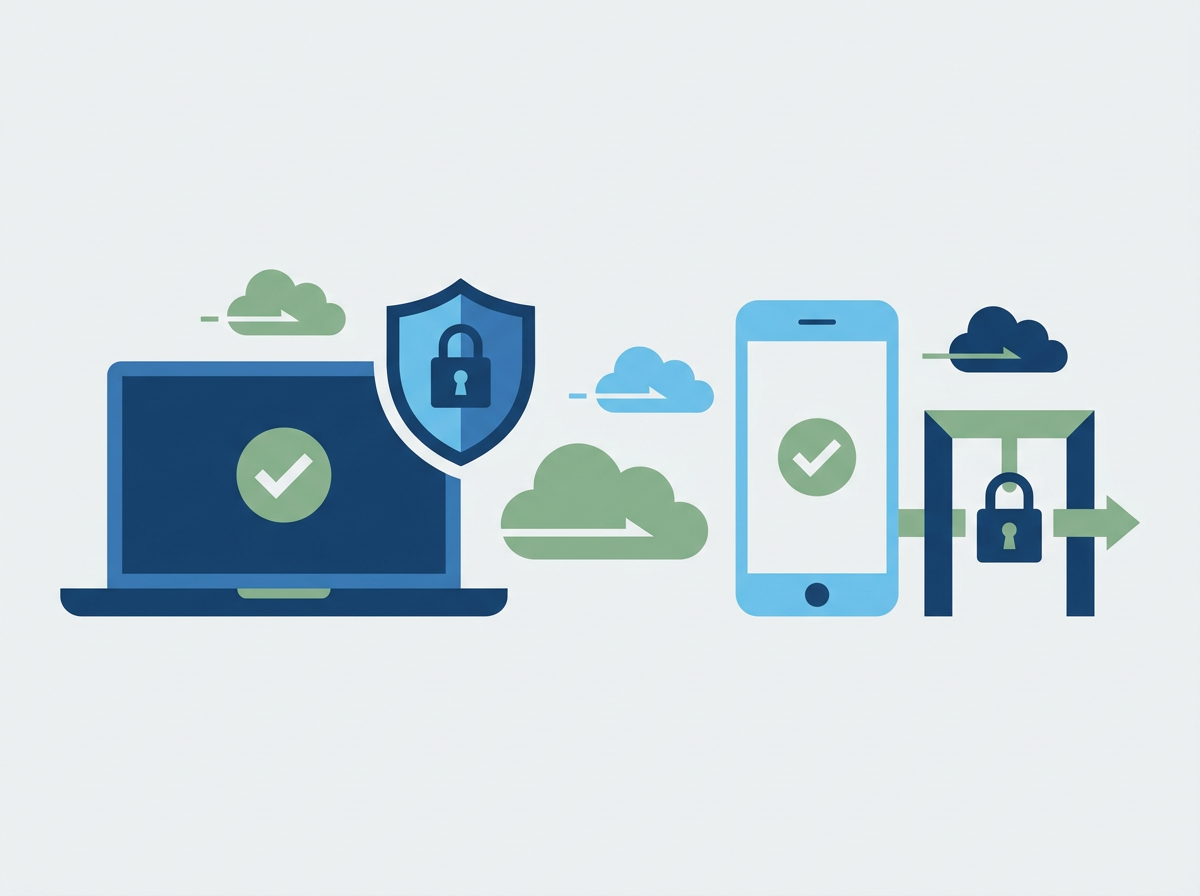
2) Device compliance
- patching trends
- encryption coverage
- devices missing protection or out of date
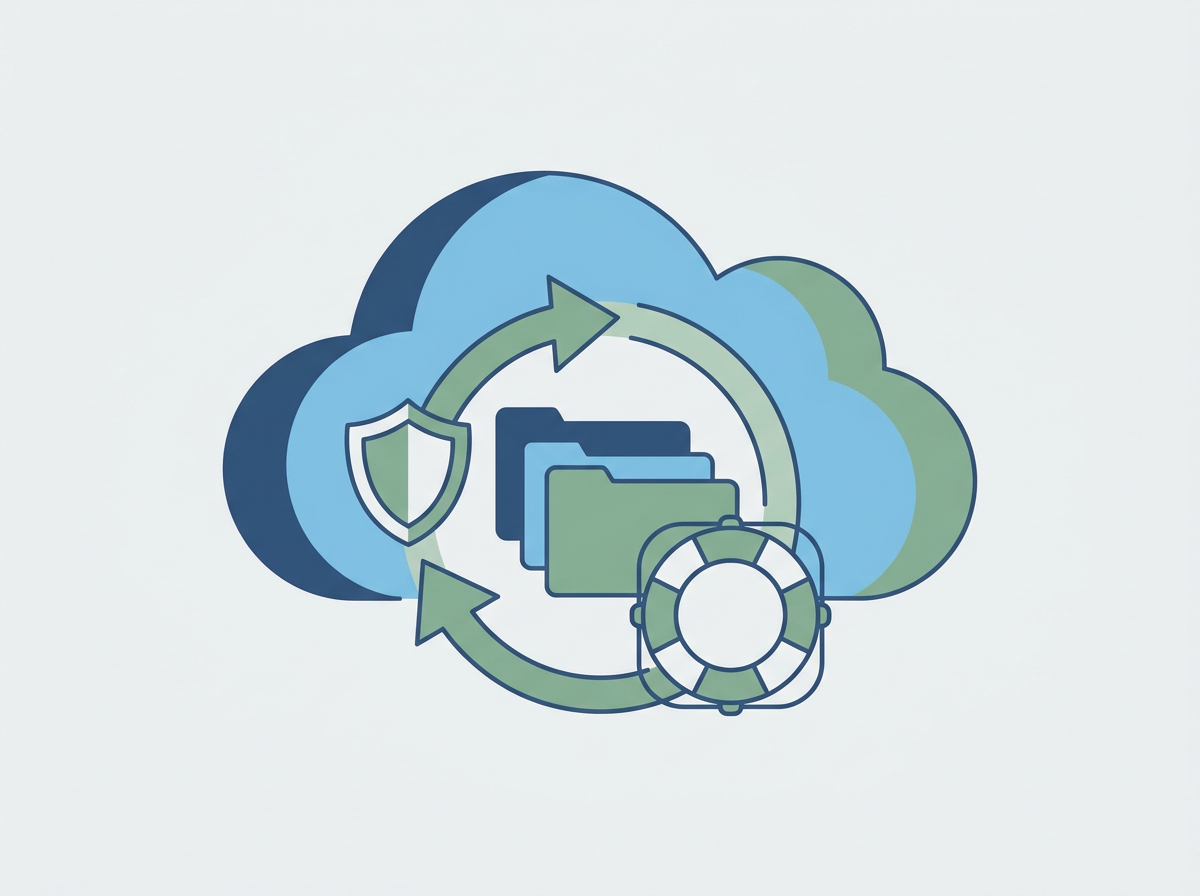
3) Backup and recovery confidence
- backup success rates
- last restore test date and outcome
- key systems covered vs not covered
4) Incidents and near-misses
- phishing reports
- account lockouts / suspicious activity
- what was learned and changed
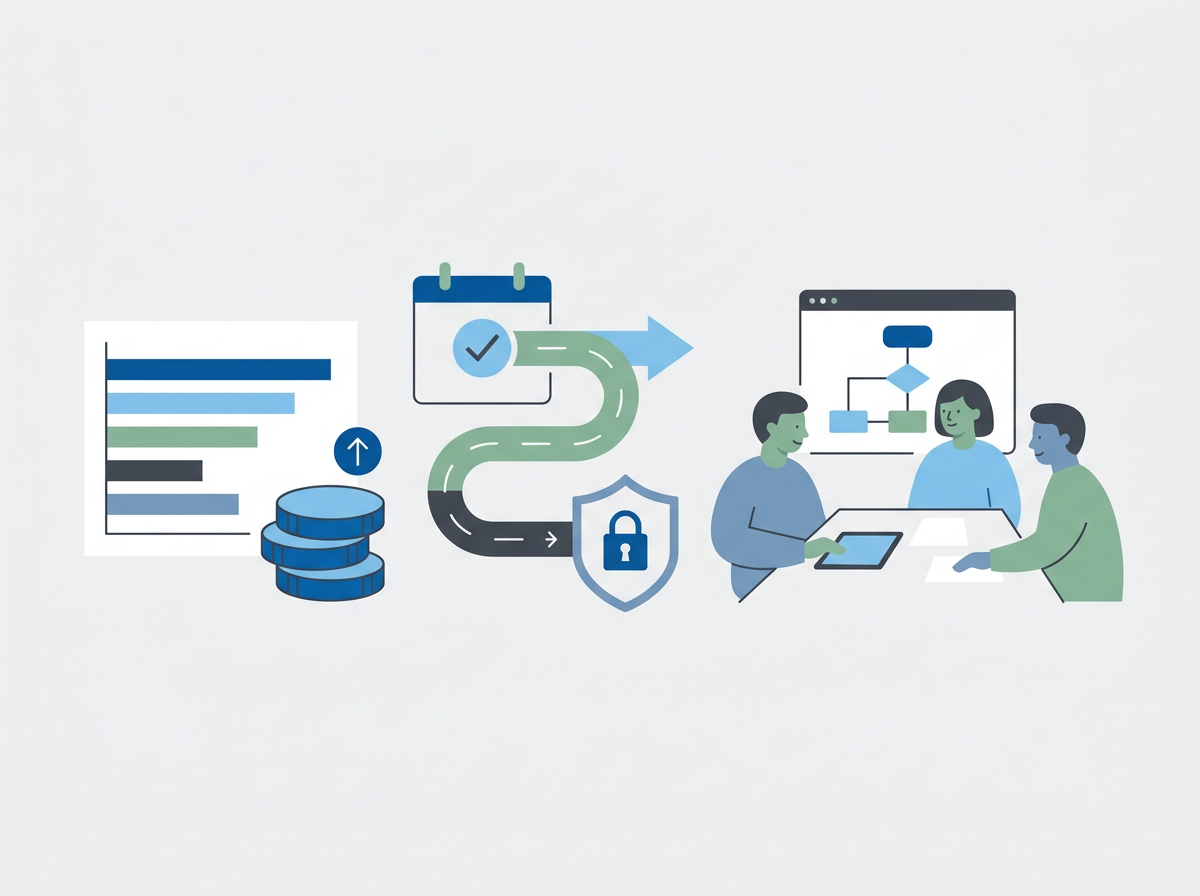
5) The action list (the most important part)
- top 3–5 actions for next month/quarter
- owners and timelines
- what’s blocked and what decisions are needed
Common mistakes
- reporting only ticket counts (not risk)
- too many metrics, no narrative
- no trend view (month-on-month)
- no actions, owners, or deadlines
FAQ
How often should we review this?
Monthly for a light dashboard, and quarterly for a deeper roadmap review.
Who should receive it?
Usually the MD/COO/CFO plus whoever owns day-to-day operations. It should be readable in 5–10 minutes.
If you want security to feel measurable and under control, we can provide simple monthly reporting that keeps leadership informed without drowning anyone in noise.
Get In Touch with us.