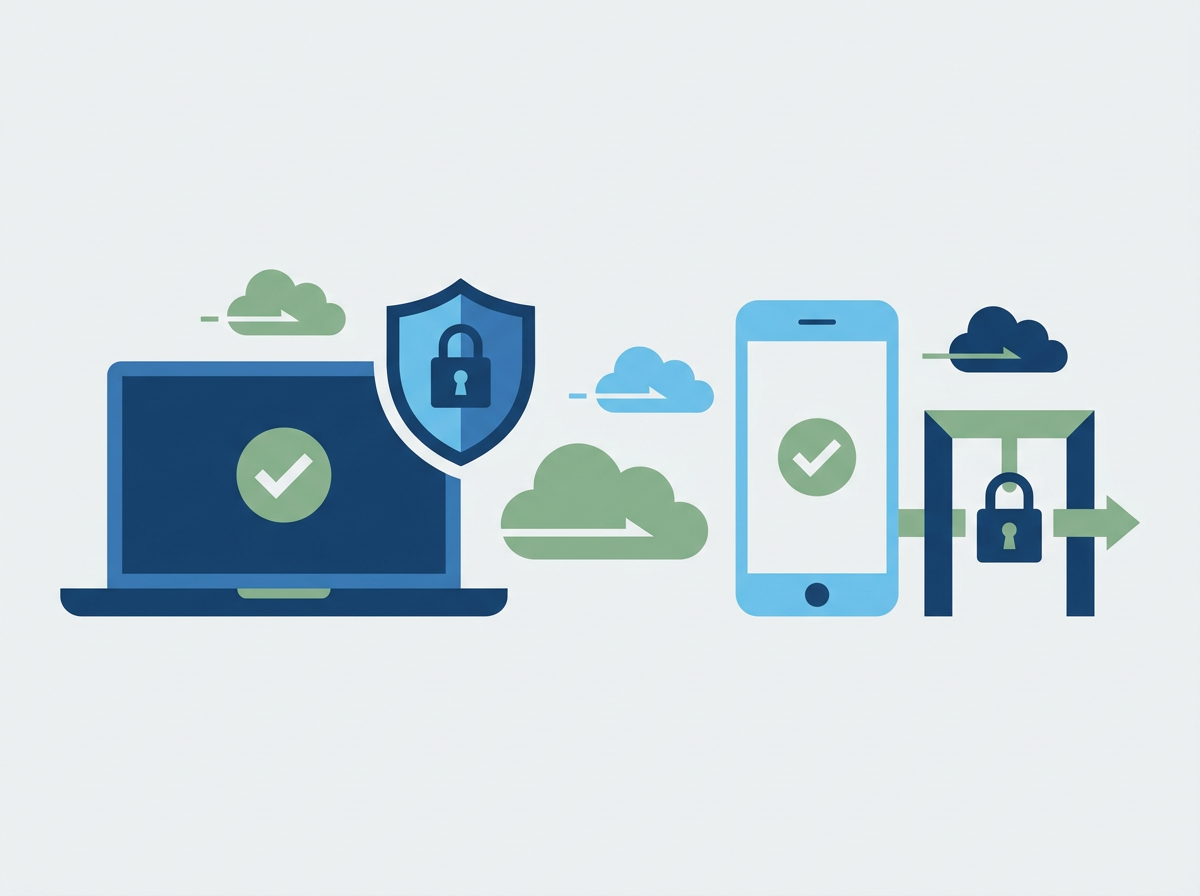
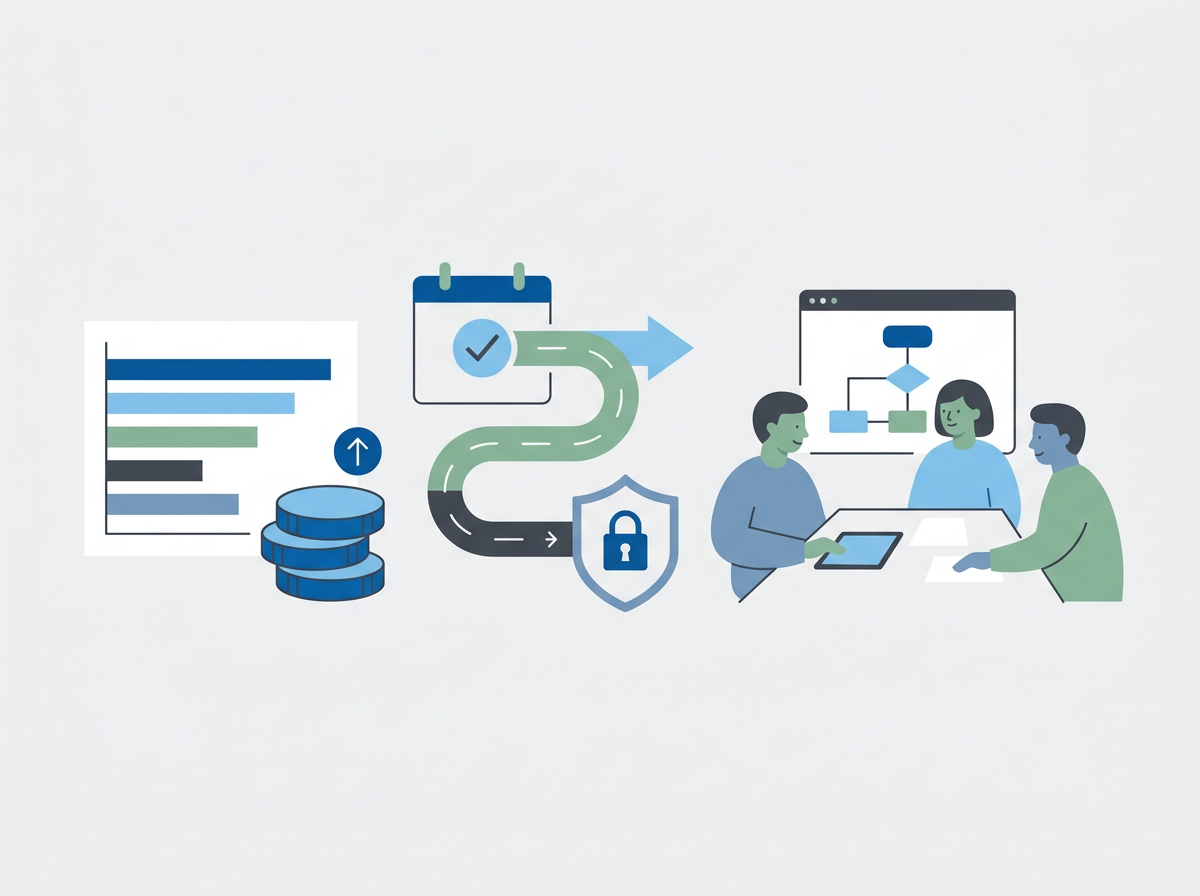
Shadow IT increases risk and creates data sprawl. Learn why it happens in SMEs and how to regain control with better tools, policies, and visibility.
Shadow IT in SMEs: Why It Happens (and How to Regain Control Without Slowing People Down)
Shadow IT is one of those problems that’s easy to blame on staff—“people keep using random apps”—but in most SMEs it’s actually a symptom of something else: the business is moving faster than the official tools and processes. Someone needs to share a file with a supplier, so they use a personal file-sharing link. A team needs a quick project board, so they sign up for a free tool. A director wants an easier way to send large files, so they use whatever works. None of this is malicious. It’s productivity pressure.
The risk is that shadow IT creates blind spots: data ends up in places you don’t control, access isn’t reviewed, leavers still have logins, and security settings vary wildly. It also creates operational drag—multiple tools doing the same job, inconsistent versions of documents, and “tribal knowledge” about where things live.
Amazing Support is a multi-award-winning, Microsoft Partner, Cyber Essentials and Cyber Essentials Plus certified provider supporting UK SMEs across London, Greater London and Manchester. We’ve found the best way to reduce shadow IT is not heavy-handed bans—it’s giving teams secure, usable alternatives and making the “right way” the easiest way.
The short answer is: to reduce shadow IT, SMEs need visibility, better approved tools, clear ownership, and simple rules for data sharing—without turning IT into a blocker.
Why shadow IT happens (the real reasons)
- official tools are clunky or slow
- people don’t know what’s approved
- access requests take too long
- suppliers/clients push their preferred tools
- remote/hybrid work increases ad-hoc collaboration needs
The risks SMEs actually face
1) Data leakage and uncontrolled sharing
Sensitive files can be shared externally with no expiry, no audit trail, and no review.
2) Account takeover and weak identity controls
Free tools often have weaker security defaults, and users reuse passwords.
3) Compliance and client trust issues
If you can’t confidently answer “where is our data and who can access it?”, audits and procurement get painful.
4) Operational mess
Multiple sources of truth, duplicated work, and unclear ownership.
How to regain control (without slowing the business)
1) Start with discovery, not punishment
Find out what’s being used and why. The “why” tells you what’s missing.
2) Provide approved alternatives that are genuinely usable
If Microsoft 365 is your standard, make sure Teams/SharePoint/OneDrive are configured and explained properly.
3) Tighten identity and access
- enforce MFA
- reduce unmanaged devices accessing business data
- review guest access and external sharing policies
4) Create simple rules people can follow
Examples:
- where client files must live
- how to share externally
- what to do when a supplier insists on a different tool
5) Review quarterly
Shadow IT is a drift problem. Quarterly reviews keep it from rebuilding.
FAQ
Is shadow IT always bad?
Not always—it often signals innovation. The goal is to make it safe and governed.
Should we just block everything?
Hard blocks can backfire. Better to combine visibility + approved tools + sensible controls.
How does this relate to Cyber Essentials?
Shadow IT often undermines access control and secure configuration—two key principles you need to keep consistent.
If shadow IT is creeping in, we can help you map what’s being used with an
IT Security Audit, reduce the risk quickly, and set up a practical governance approach that doesn’t kill productivity.