Suppliers often need access to systems — but unmanaged vendor access is a major risk. Here’s how SMEs control third-party access safely with least privilege and auditing.
Most SMEs rely on third parties: accountants, software vendors, web developers, IT contractors, managed print, and specialist app providers. These suppliers often need access to systems to support you — but vendor access is one of the most common “quiet risks” in an SME environment. Accounts get created for a project, permissions are broader than necessary, and access remains long after the work ends. It’s rarely malicious — it’s just unmanaged.
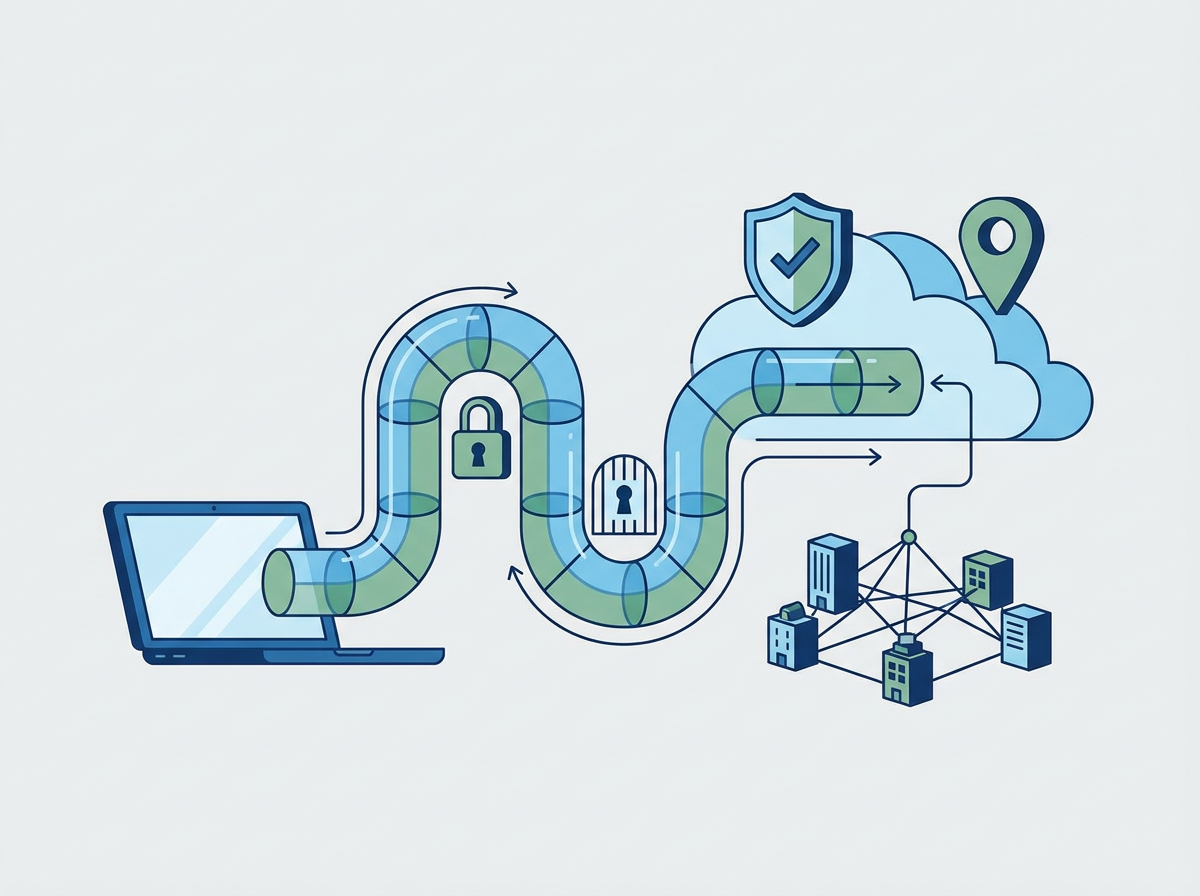
Controlling third-party access doesn’t mean saying “no” to suppliers. It means making access intentional, time-bound, and auditable, so you can support the business without leaving open doors.
Amazing Support is a multi-award-winning, Microsoft Partner and Cyber Essentials Plus certified provider supporting UK SMEs across London, Greater London and Manchester — and vendor access control is a practical step that often improves both security and operational clarity.
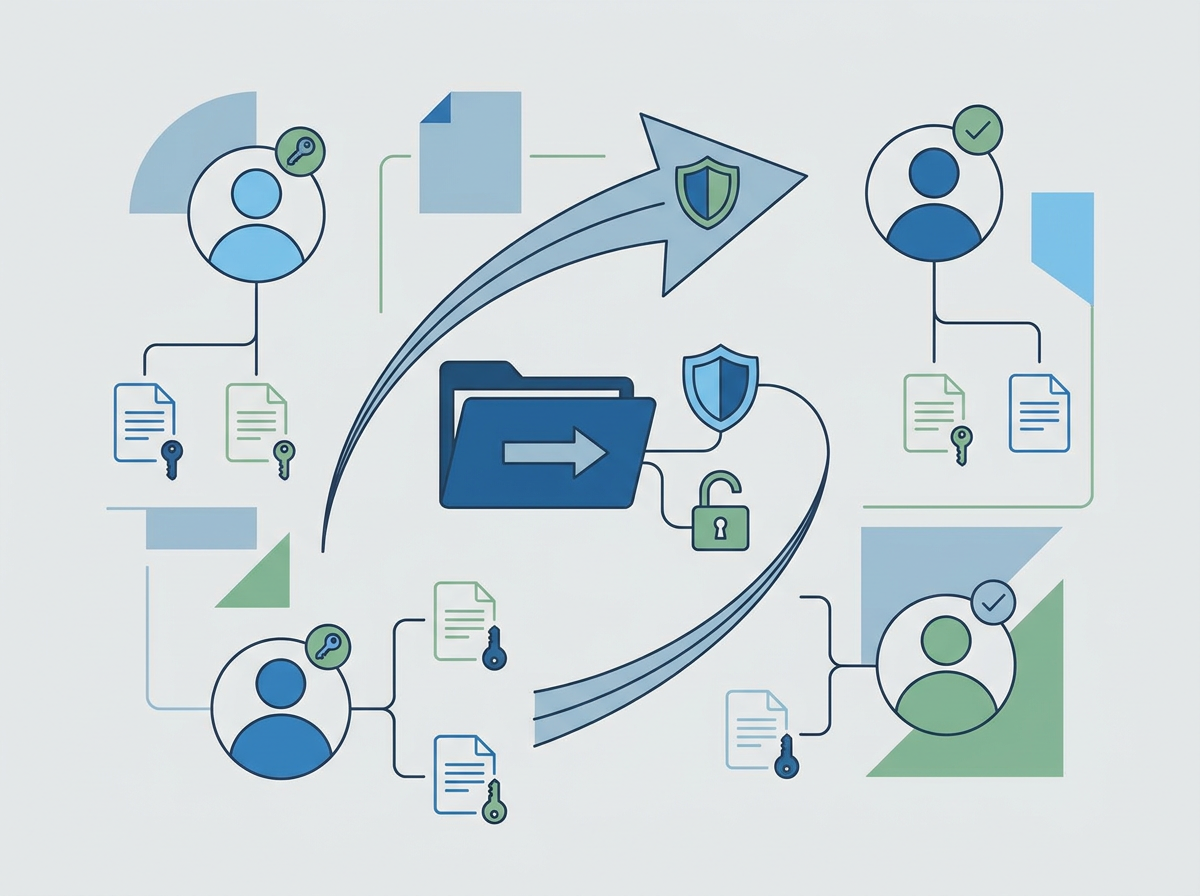
In plain English: third-party access control is how you give suppliers the access they need (and only what they need), for the time they need it, with a clear record of who had access and why.
The 5 rules for safe vendor access
1) Least privilege by default
Give the minimum access required for the task — not “admin because it’s quicker.”
2) No shared accounts
Every supplier should have a named account (or a controlled method of access) so actions are traceable.
3) Time-bound access
If access is for a project, it should expire or be reviewed at a set date.
4) Approval and ownership
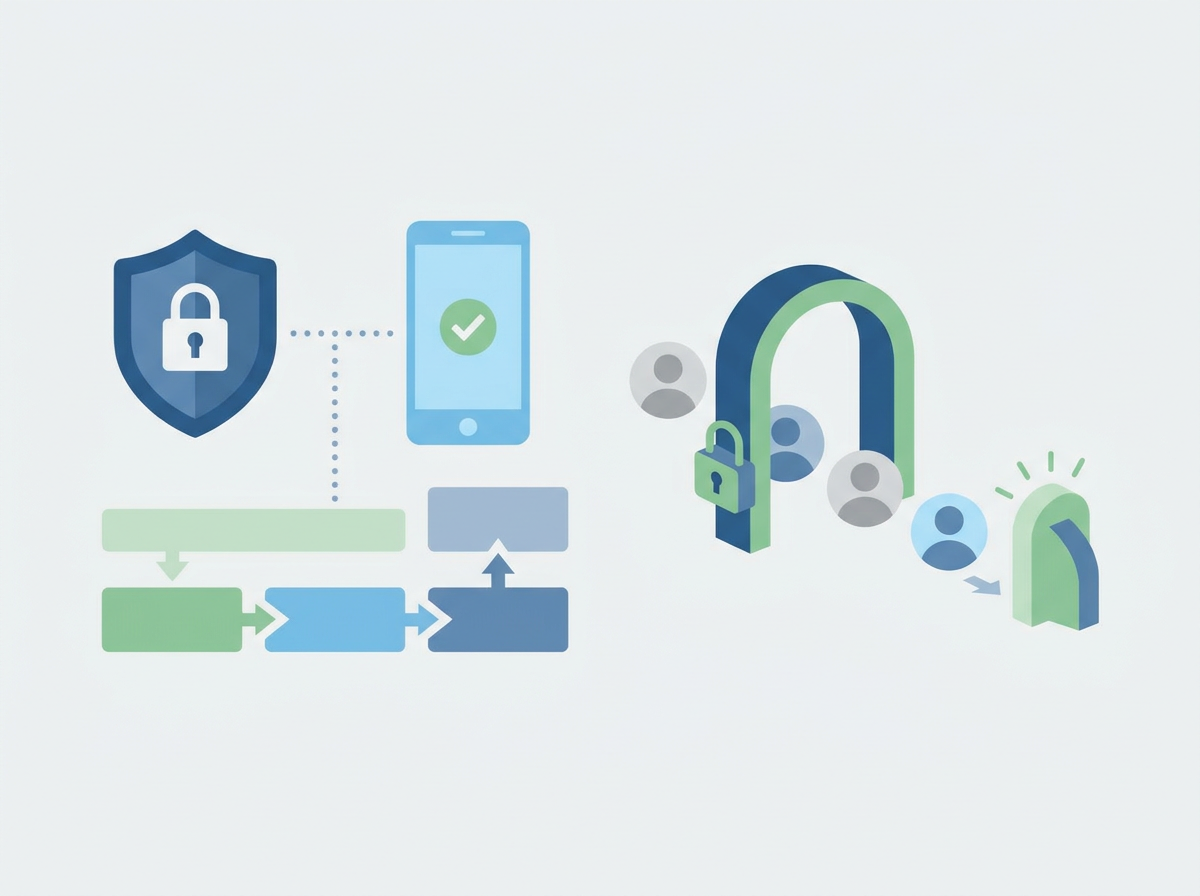
A business owner should approve access, and someone should own the review process.
5) Logging and auditability
You should be able to answer:
- who had access
- to what
- when
- for what purpose
Where SMEs typically get caught out
- old supplier accounts still active
- suppliers using shared passwords
- admin access granted “temporarily” and never removed
- no record of what access was granted
- access granted via personal email accounts rather than managed identities
FAQ
We trust our suppliers — do we still need this?
Yes. Trust is not the same as control. Good governance protects both you and the supplier.
Won’t this slow down support?
Not if done sensibly. A clear process actually speeds things up because approvals and access are predictable.
If you want vendor access to be secure without becoming a bottleneck,
we can help you implement a simple access control approach that fits how your business actually works.