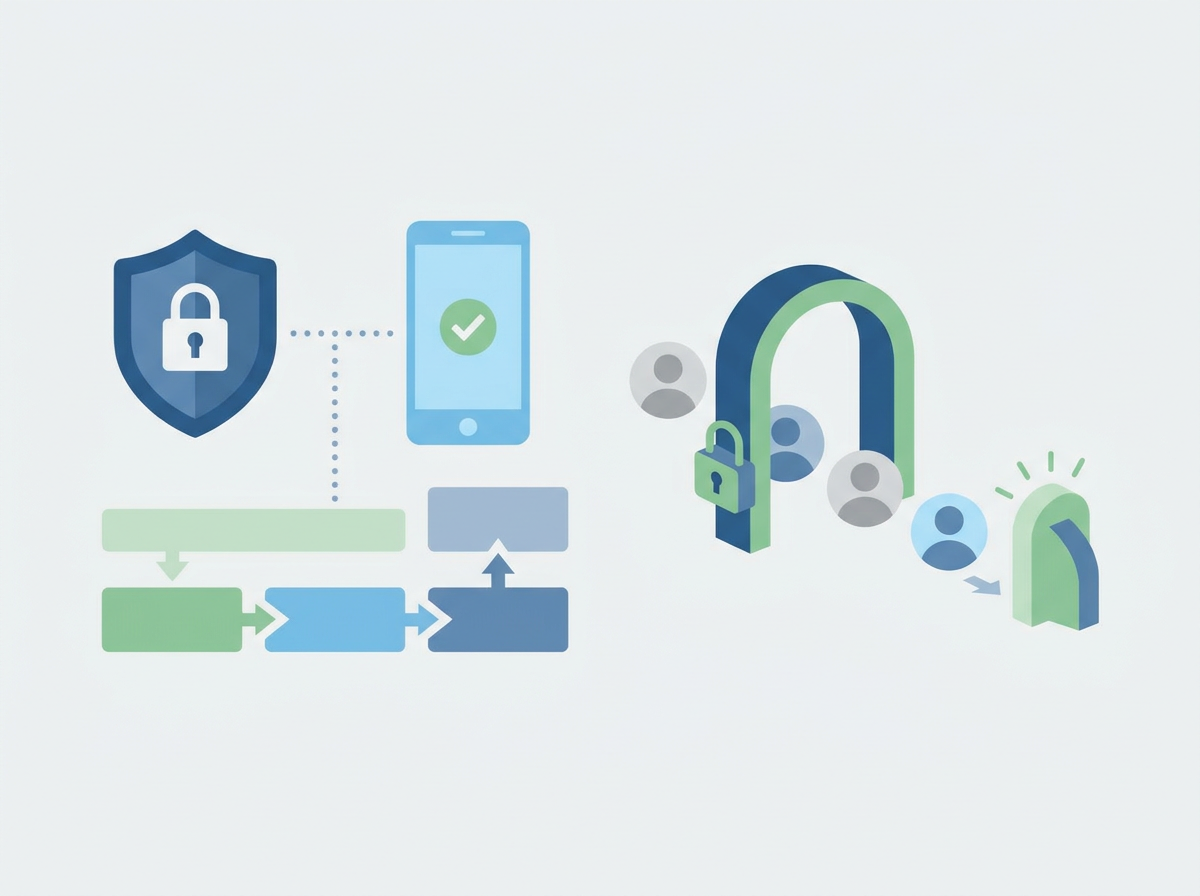
Zero Trust isn’t a product. Here’s what it means for UK SMEs in 2026, why it matters, and the practical first steps that reduce risk fast.
Zero Trust for SMEs in 2026: What It Actually Means (and What to Do First)
“Zero Trust” is one of those security phrases that gets used so often it starts to lose meaning. Some people treat it like a tool you can buy. Others assume it’s only for large enterprises with dedicated security teams. And some SMEs hear it and switch off entirely, because it sounds like a complex framework that will slow everyone down.
In reality, Zero Trust is best understood as a simple operating principle: don’t automatically trust anything just because it’s “inside” your business. In a world of hybrid working, cloud services, and constant credential-based attacks, the old model of “office network = safe” no longer holds. Users work from everywhere. Devices move constantly. Microsoft 365 is accessed from multiple locations. And attackers don’t need to break into an office network if they can log in with stolen credentials.
Amazing Support is a
multi-award-winning,
Microsoft Partner and
Cyber Essentials certified provider supporting SMEs across London, Greater London and Manchester. For SMEs in the 50–200 user range, Zero Trust isn’t about buying a new security stack. It’s about tightening the controls you already rely on (identity, devices, access, and data) so the business becomes harder to compromise without making work painful.
The short answer is this: Zero Trust for SMEs means verifying identity, trusting managed devices, limiting access by context, and reducing blast radius — starting with the simplest, highest-impact changes.
Why Zero Trust matters more now
Most successful attacks against SMEs today don’t start with a Hollywood-style “hack.” They start with:
- a phishing link
- a compromised password
- a reused credential
- an unmanaged device
- overly broad access in Microsoft 365
Once an attacker has a foothold, the real damage depends on how much trust the environment hands them automatically. If any login can access everything, if devices aren’t checked, if admin roles are too broad, and if sharing is wide open, the impact escalates quickly.
Zero Trust is about reducing that automatic trust.
What Zero Trust is (in plain English)
A practical SME definition:
- Verify the user (strong identity controls)
- Verify the device (managed, compliant endpoints)
- Verify the access request (least privilege + context)
- Assume breach (monitoring + containment + recovery)
That’s it. Not a single product. A way of designing controls.
What to do first (the highest-impact steps)
1) Tighten identity (because identity is the new perimeter)
- enforce MFA for everyone (no exceptions)
- protect admin accounts more heavily than standard users
- remove stale accounts and shared logins
- review who has elevated roles and why
2) Make device trust real
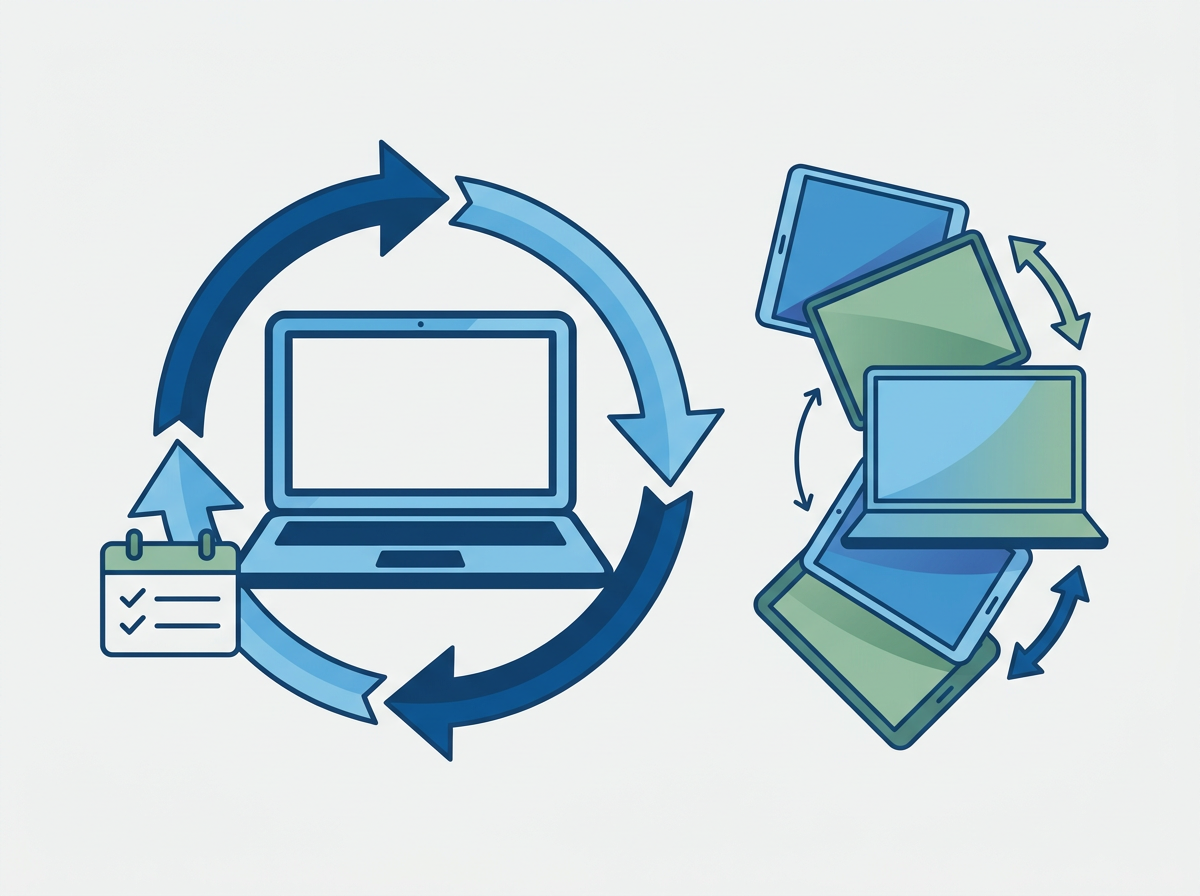
- ensure company devices are encrypted and centrally managed
- block or restrict access from unknown/unmanaged devices
- enforce patching and endpoint protection consistently
3) Use Conditional Access properly
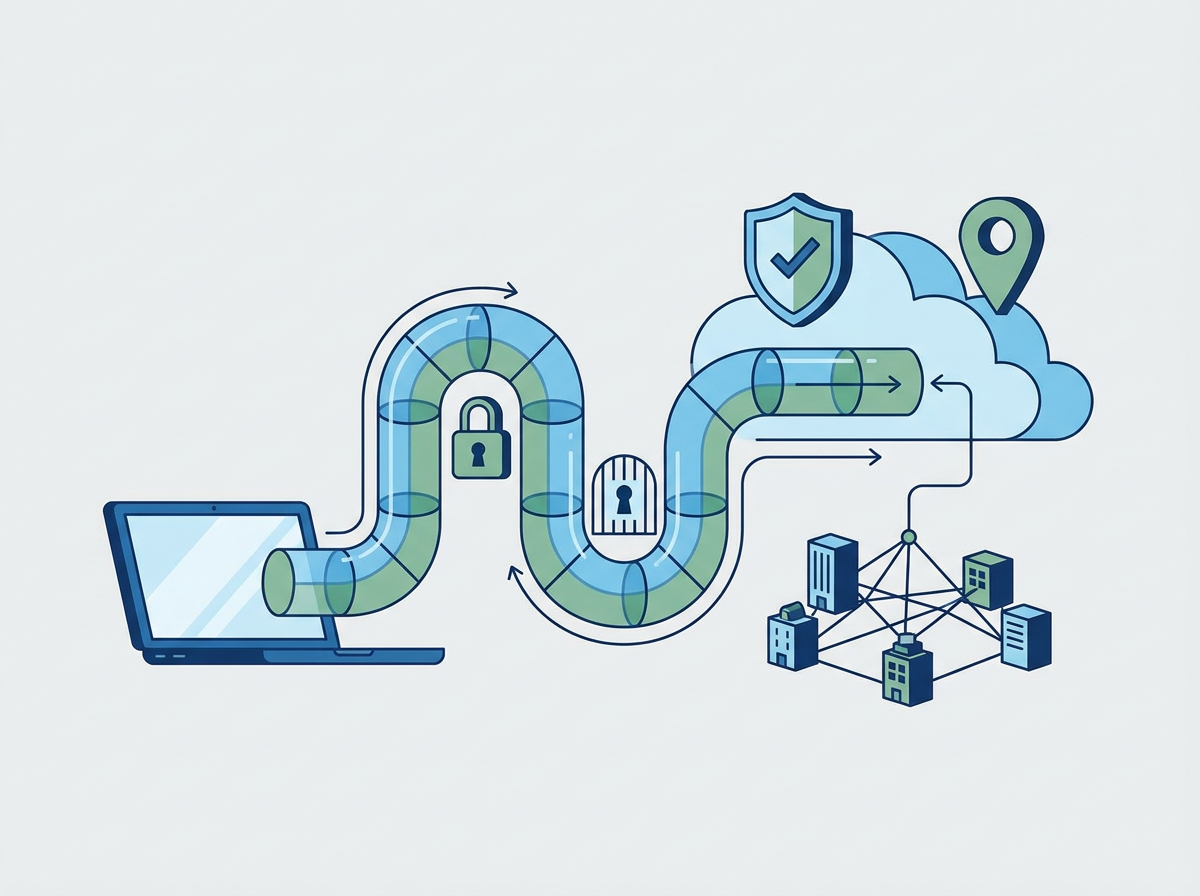
Conditional Access is one of the most powerful “Zero Trust” levers in Microsoft environments. It lets you say: this user can access this service only under these conditions (MFA, compliant device, location/risk signals).
4) Reduce blast radius in Microsoft 365
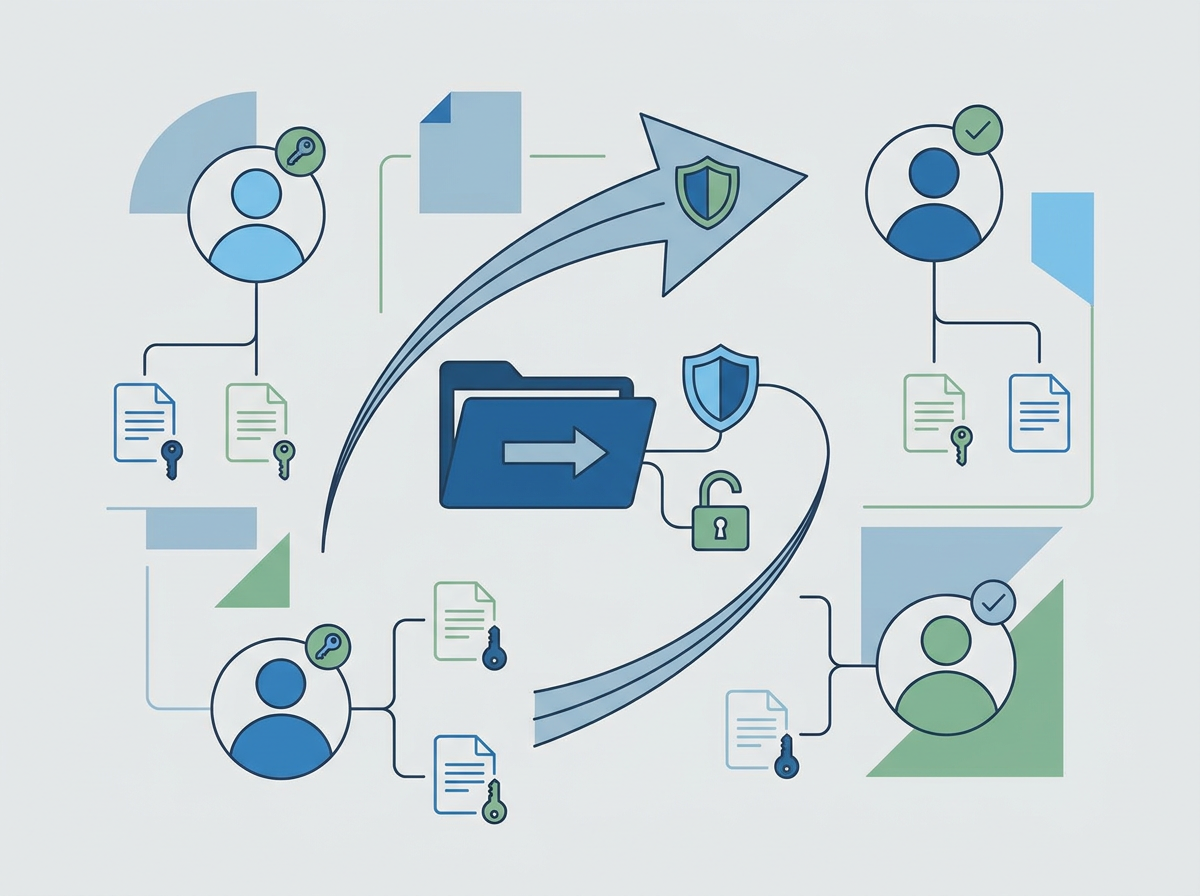
- tighten external sharing defaults
- review Teams/SharePoint permissions
- limit who can create new Teams/sites if sprawl is out of control
- ensure sensitive data isn’t accessible “by accident”
The biggest Zero Trust mistake SMEs make
Trying to do everything at once.
The best approach is staged: identity first, then device compliance, then access policies, then governance and monitoring. Each step reduces risk without overwhelming staff.
FAQ
Is Zero Trust only for big companies?
No. SMEs arguably benefit more because they have less margin for disruption.
Will Zero Trust slow users down?
It shouldn’t. Done properly, it reduces risky access while keeping normal work smooth.
What’s the first place to start?
Identity: MFA, admin protection, and account hygiene.
If you want a practical Zero Trust baseline for your business (without making staff hate it), we can help you prioritise the changes that reduce risk fastest.