Thinking about Cyber Essentials? Here’s what UK SMEs need in place before applying — the common gaps, quick wins, and how to avoid failing the assessment.
Cyber Essentials Readiness: What UK SMEs Need in Place Before They Apply
Cyber Essentials has become one of the clearest “baseline trust” signals for UK businesses. For some organisations it’s a procurement requirement. For others it’s a way of proving to clients that security is taken seriously. And for many SMEs, it’s simply a sensible forcing function: it pushes the business to tighten the fundamentals that reduce the most common types of attack.
The problem is that many SMEs approach Cyber Essentials like a form to fill in, rather than a readiness exercise. They assume they can apply, answer a few questions, and be done. In reality, the businesses that find it easiest are the ones that have already built consistent controls around devices, patching, access, and malware protection. The businesses that struggle are usually the ones with inconsistent setups, unclear ownership, or “we think it’s fine” assumptions.
Amazing Support is a multi-award-winning, Microsoft Partner and Cyber Essentials Plus certified provider supporting SMEs across London, Greater London and Manchester. In practice, Cyber Essentials readiness is less about perfection and more about consistency. You don’t need an enterprise security team — you need the basics applied properly across the whole business.
The short answer is this: to be Cyber Essentials ready, SMEs need consistent device control, patching, secure configuration, malware protection, and access management — and they need to be able to evidence it.
What Cyber Essentials is really testing
At its core, Cyber Essentials is focused on reducing the most common attack paths:
- compromised passwords and weak access controls
- unpatched devices and software
- insecure configuration
- malware and phishing-driven compromise
- uncontrolled devices accessing business systems
It’s not trying to prove you’re “unhackable.” It’s trying to prove you’re not easy.
The 5 areas you need to tighten (in practical terms)
1) Firewalls and internet gateways
You need a properly managed firewall/router setup, with sensible configuration and control over inbound/outbound exposure.
2) Secure configuration
This is where “default settings” can hurt. You want consistent baseline configuration across devices and services, with unnecessary features removed and risky defaults tightened.
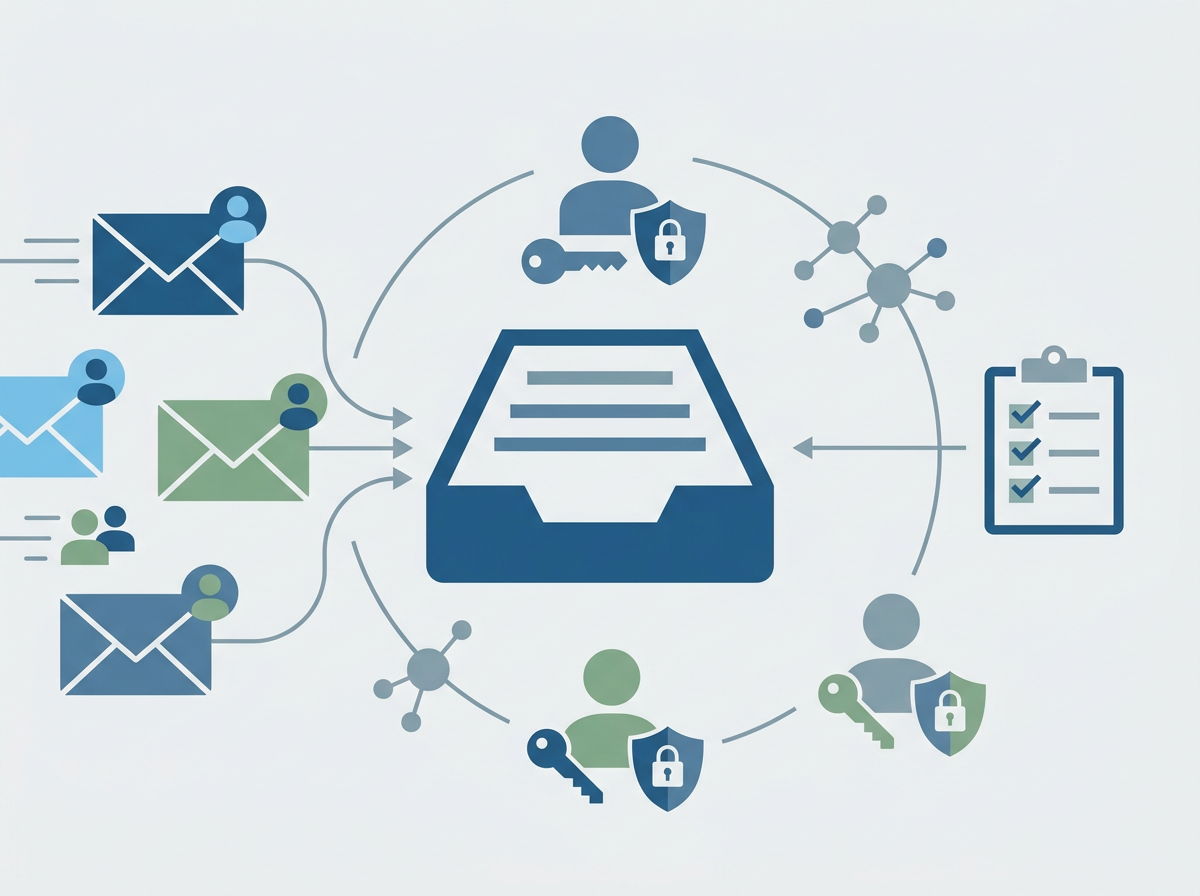
3) Access control
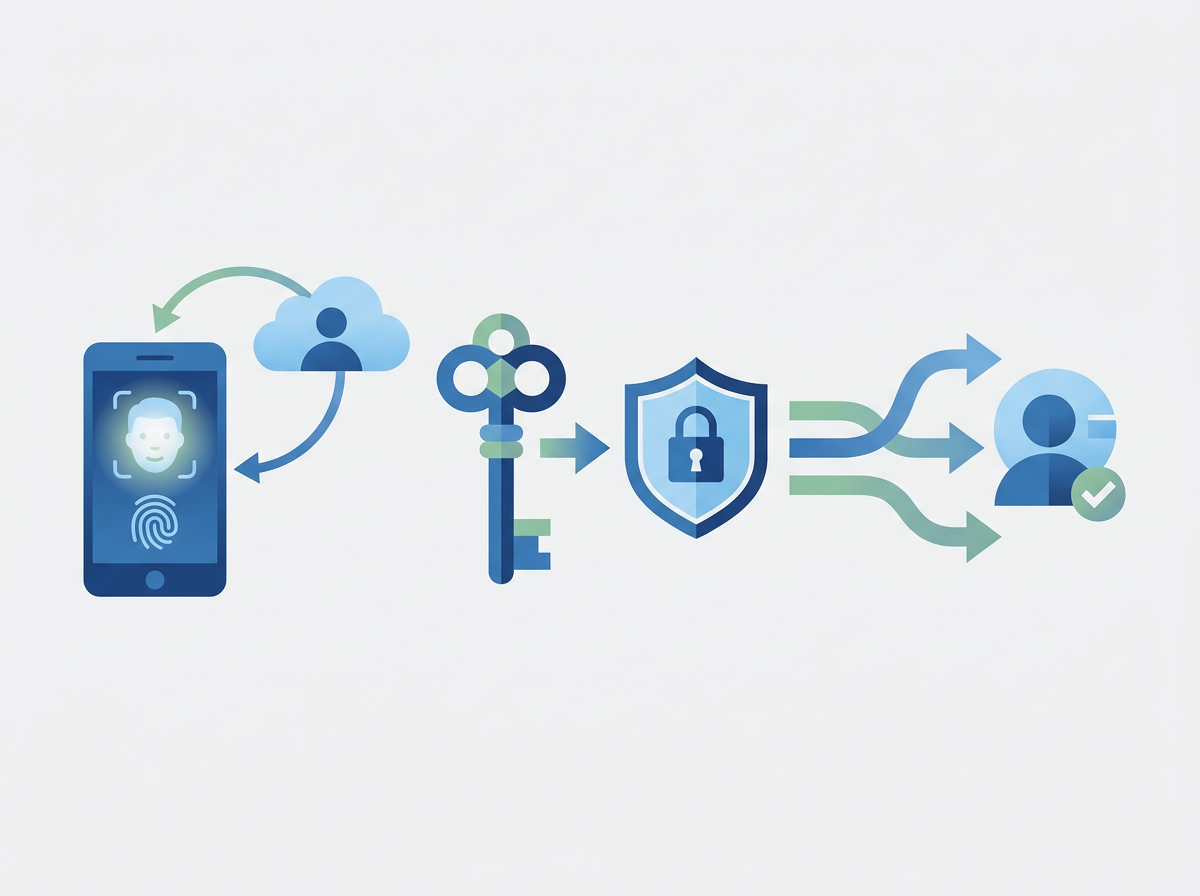
- MFA where appropriate (and ideally broadly enforced)
- no shared accounts
- admin access limited and controlled
- leavers handled properly (accounts removed/disabled promptly)
4) Malware protection
Consistent endpoint protection across all devices, centrally managed, kept up to date, and monitored.
5) Patch management
This is one of the most common failure points. You need a reliable process to keep operating systems and applications updated across the estate.
The common Cyber Essentials “gotchas” for SMEs
- unmanaged laptops that don’t follow the same rules as office devices
- unclear admin accounts and elevated permissions
- patching that is “mostly fine” but not provable
- BYOD devices accessing email without proper controls
- inconsistent MFA adoption (especially for senior users)
FAQ
Do we need to be perfect to pass Cyber Essentials?
No. But you do need consistent controls and the ability to evidence them.
What’s the most common reason SMEs fail?
Inconsistent patching and inconsistent device control.
Does Microsoft 365 help with readiness?
Yes — if it’s configured properly (identity, access policies, device compliance).
If you’re considering
Cyber Essentials, we can help you assess readiness quickly, close the gaps, and make the process straightforward rather than stressful.