Audits don’t have to be painful. Here’s the practical SME evidence pack: access control, patching, backups, documentation, suppliers, and security reporting.
IT Audit Readiness for SMEs: The Evidence Pack That Makes Assessments Easy
Most SMEs don’t struggle with audits because they’re doing everything wrong — they struggle because evidence is scattered. A client asks for proof of controls. An insurer asks for security details. A compliance questionnaire arrives with a short deadline. And suddenly the business is scrambling through emails, screenshots, and half-remembered processes to “prove” what’s in place.
Audit readiness is really just evidence readiness. If you can produce a small, tidy pack that shows how you manage access, patching, backups, security configuration, and suppliers, most assessments become straightforward. You also reduce risk day-to-day because the act of keeping evidence current forces consistency.
Amazing Support is a multi-award-winning, Microsoft Partner and Cyber Essentials Plus certified provider supporting UK SMEs across London, Greater London and Manchester. In practice, the easiest audits happen when SMEs maintain a lightweight evidence pack and review it quarterly.
In plain English: an IT audit evidence pack is a set of documents and screenshots that prove your security controls exist, are consistent, and are being maintained.
What to include in an SME audit evidence pack
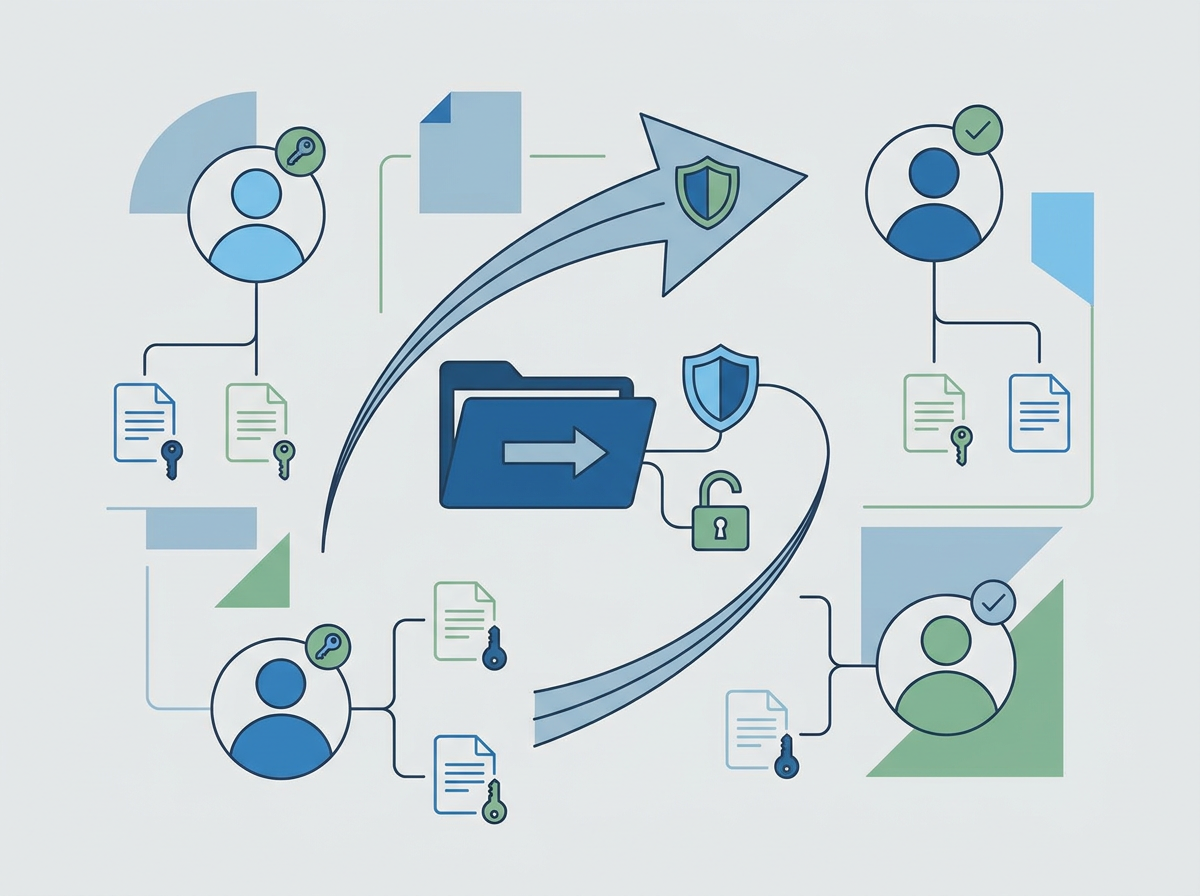
1) Access control evidence
- MFA enforced (and how you prove it)
- admin account list and how it’s protected
- joiner/leaver process summary
- guest access approach (if you collaborate externally)
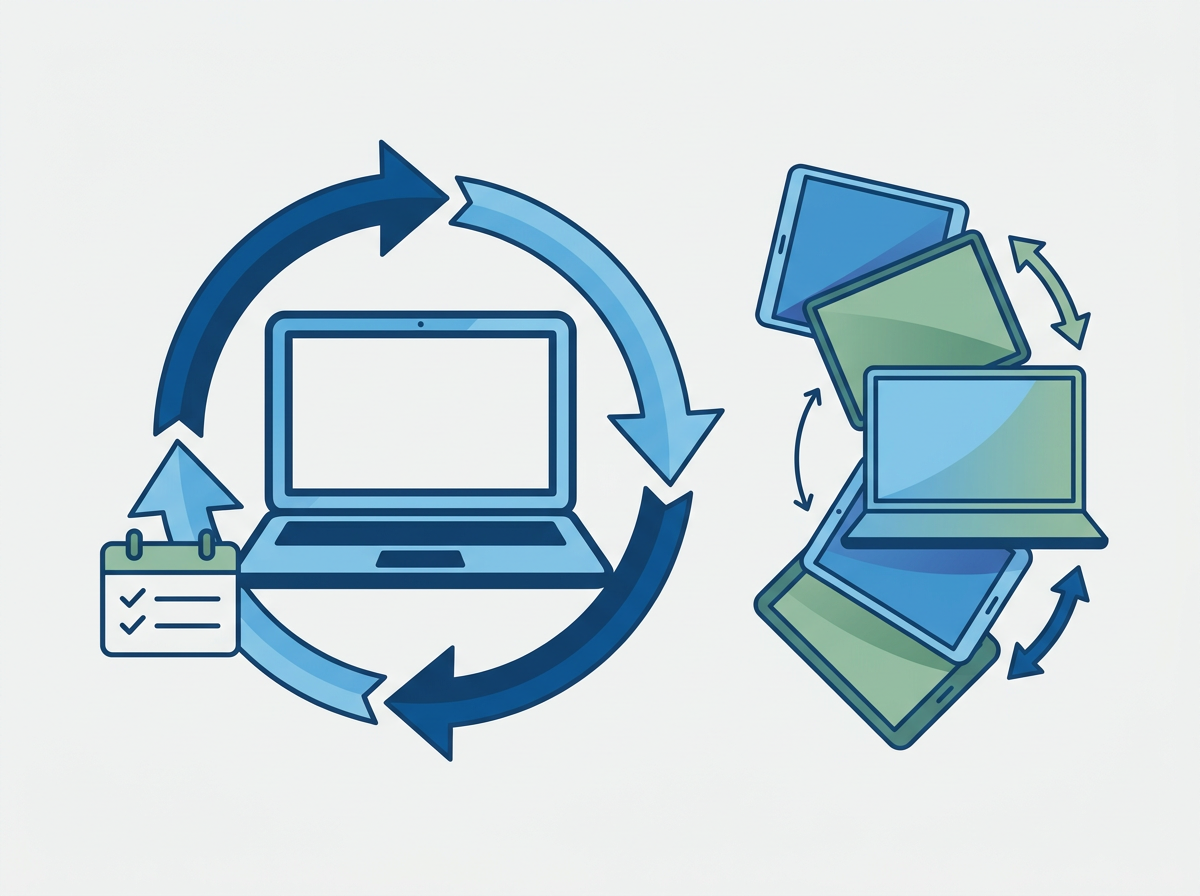
2) Device and patching evidence
- device inventory (even a simple list)
- patch compliance reporting or screenshots
- endpoint protection coverage summary
- encryption and screen lock requirements
3) Backup and recovery evidence
- what is backed up (systems + Microsoft 365 data where relevant)
- backup success reporting
- last restore test date and outcome
- recovery priorities (what comes back first)
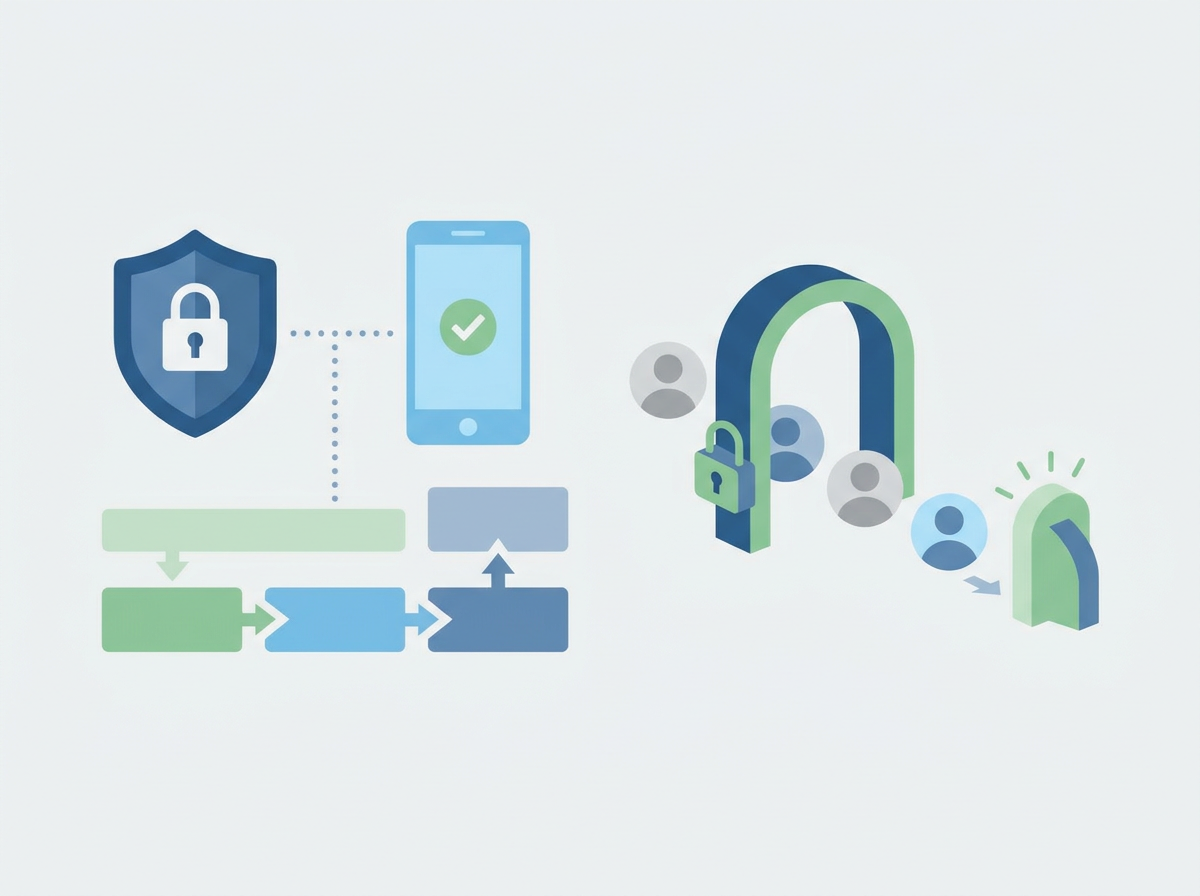
4) Security configuration summary
- your baseline approach (identity, email, devices, sharing)
- any recurring reviews (monthly/quarterly)
5) Supplier and contract overview
- key suppliers and what they provide
- escalation contacts
- support SLAs (where relevant)
6) Incident response essentials
- who leads decisions
- who communicates internally/externally
- first-hour steps and contacts
The mistakes that make audits painful
- relying on “we think it’s set up” rather than evidence
- no single place where documentation lives
- no restore testing record
- unclear ownership for access and security settings
- evidence that’s out of date
FAQ
How often should we update the evidence pack?
Quarterly is a good rhythm, and after major changes (office move, new systems, rapid growth).
Does this replace security work?
No — it supports it. Evidence forces consistency and highlights gaps early.
Will this help with client procurement questionnaires?
Yes. A good evidence pack makes those much faster to complete.
If you’re getting more questionnaires and
IT audit requests, we can help you build a clean evidence pack that stays current and reduces last-minute stress.