Break/fix works until it doesn’t. Here are 9 signs your SME has outgrown ad‑hoc IT — and what changes when you move to managed support.
Break/fix IT can feel sensible when a business is small: you pay when something breaks, and you don’t commit to a monthly contract. The problem is that as SMEs grow, IT stops being a set of occasional problems and becomes a system the business depends on every day. When that happens, break/fix often turns into a cycle of firefighting: recurring issues, inconsistent security, slow response when it matters, and leadership time wasted chasing progress.
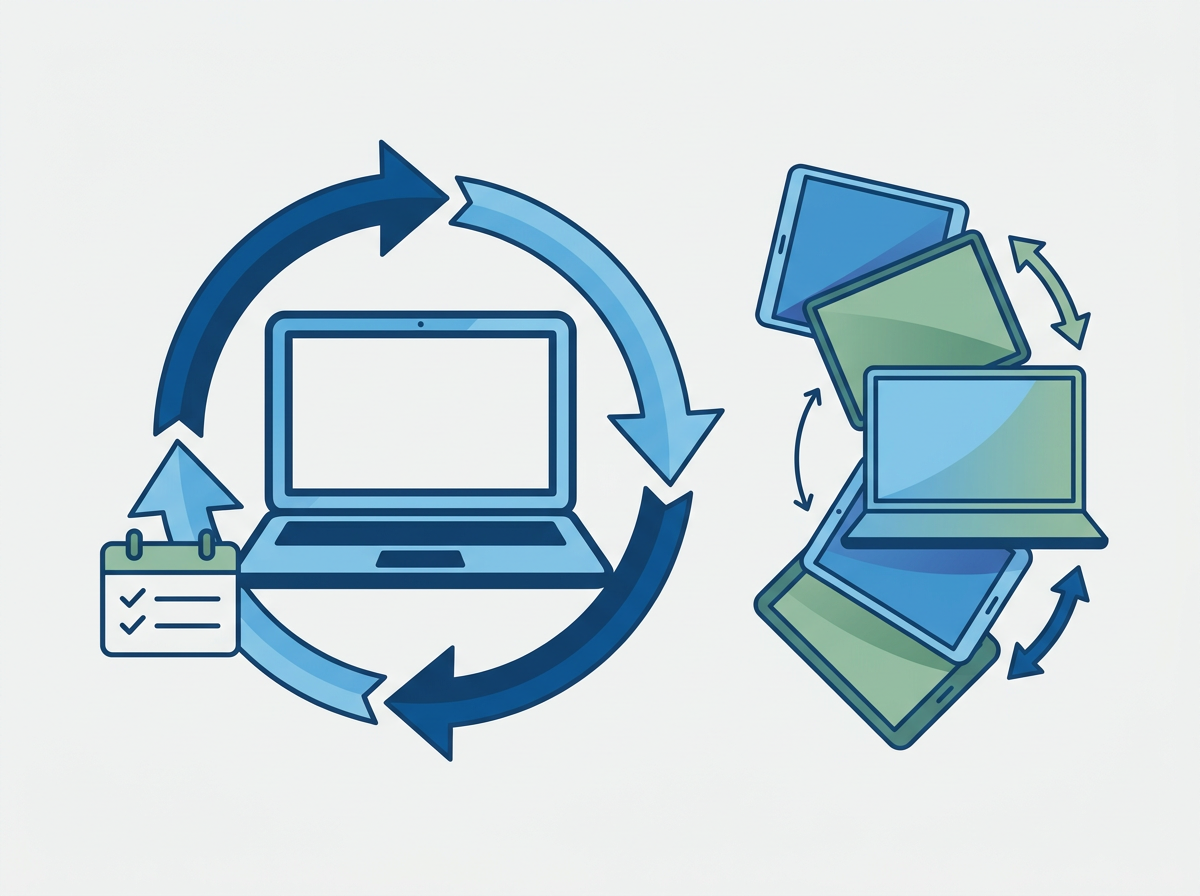
Managed IT support isn’t just “more helpdesk.” Done properly, it’s a shift from reactive fixes to proactive ownership: patching is consistent, devices are managed, security is monitored, and problems are prevented rather than repeated. For many SMEs, the decision becomes obvious once the hidden costs of break/fix are made visible.
Amazing Support is a multi-award-winning, Microsoft Partner and Cyber Essentials Plus certified provider supporting UK SMEs across London, Greater London and Manchester. We see the same pattern repeatedly: businesses don’t switch because they love contracts — they switch because they want reliability and accountability.
In plain English: break/fix is reactive IT paid per job; managed IT support is ongoing ownership with proactive maintenance and predictable costs.
9 signs you’ve outgrown break/fix
1) You’re dealing with the same issues repeatedly
If problems recur, you don’t have a system — you have a loop.
2) Security is “best effort,” not consistent
MFA, patching, backups, and device controls need to be reliable and measurable.
3) You don’t know your real IT risk
If you can’t answer “are we patched?” or “can we restore?” you’re operating on hope.
4) Response depends on who you reach
If support quality varies by person or day, the business can’t rely on it.
5) You’re growing (new starters, new systems, more remote work)
Growth amplifies inconsistency.
6) Leadership is pulled into IT too often
If directors are chasing tickets, IT is costing more than money.
7) You’re getting more client/security questionnaires
Procurement and compliance require evidence, not reassurance.
8) Downtime is becoming expensive
A few hours of disruption now affects many people and customer delivery.
9) You want a plan, not just fixes
If you want roadmaps, lifecycle planning, and improvement projects, managed support fits better.
What changes when you move to managed IT support
- clearer SLAs and escalation
- proactive monitoring and patching
- consistent device management
- security baseline and reporting
- predictable budgeting and planning
FAQ
Is managed IT support only for big companies?
No — it’s most valuable when IT becomes business-critical, which happens early for many SMEs.
Will we lose flexibility?
A good provider keeps things practical. The goal is stability and ownership, not red tape.
How quickly does it make a difference?
Often within weeks: fewer recurring issues, clearer communication, and improved visibility.
If you’re spending too much time firefighting IT (or worrying about what you can’t see), we can show you what
managed IT support looks like in practice and what the first month would involve.