Impersonation and invoice fraud often start with email trust. Here’s how SMEs use consistent signatures, verification cues, and domain controls to reduce risk.
Email Signature Security: A Simple SME Tactic That Reduces Impersonation Risk
When SMEs think about email security, they usually think about spam filters and phishing training — both important. But a lot of real-world fraud succeeds because attackers exploit something more basic: trust. If a message looks like it came from a director, finance lead, or supplier, people act quickly. That’s why impersonation scams and “change of bank details” fraud still work. Attackers don’t need to break systems if they can manipulate humans.
A consistent, well-managed email signature won’t stop every scam, but it can reduce confusion and create a stronger “normal pattern” for staff and customers. When signatures vary wildly (or are missing), it’s harder to spot what’s genuine. When they’re consistent, it becomes easier to notice anomalies — especially when combined with proper domain authentication controls.
Amazing Support is a multi-award-winning, Microsoft Partner and Cyber Essentials Plus certified provider supporting UK SMEs across London, Greater London and Manchester. In practice, signature consistency is a small operational change that supports bigger security wins like DMARC and staff verification habits.
In plain English: email signature security is about making legitimate emails look consistent and verifiable, so impersonation attempts stand out more clearly.
What SMEs should standardise in email signatures
1) Consistent format across the business
- same layout for everyone
- consistent job titles and contact details
- consistent legal/company details where needed
2) Reduce “too much” information
Avoid adding unnecessary personal data that could help social engineering.
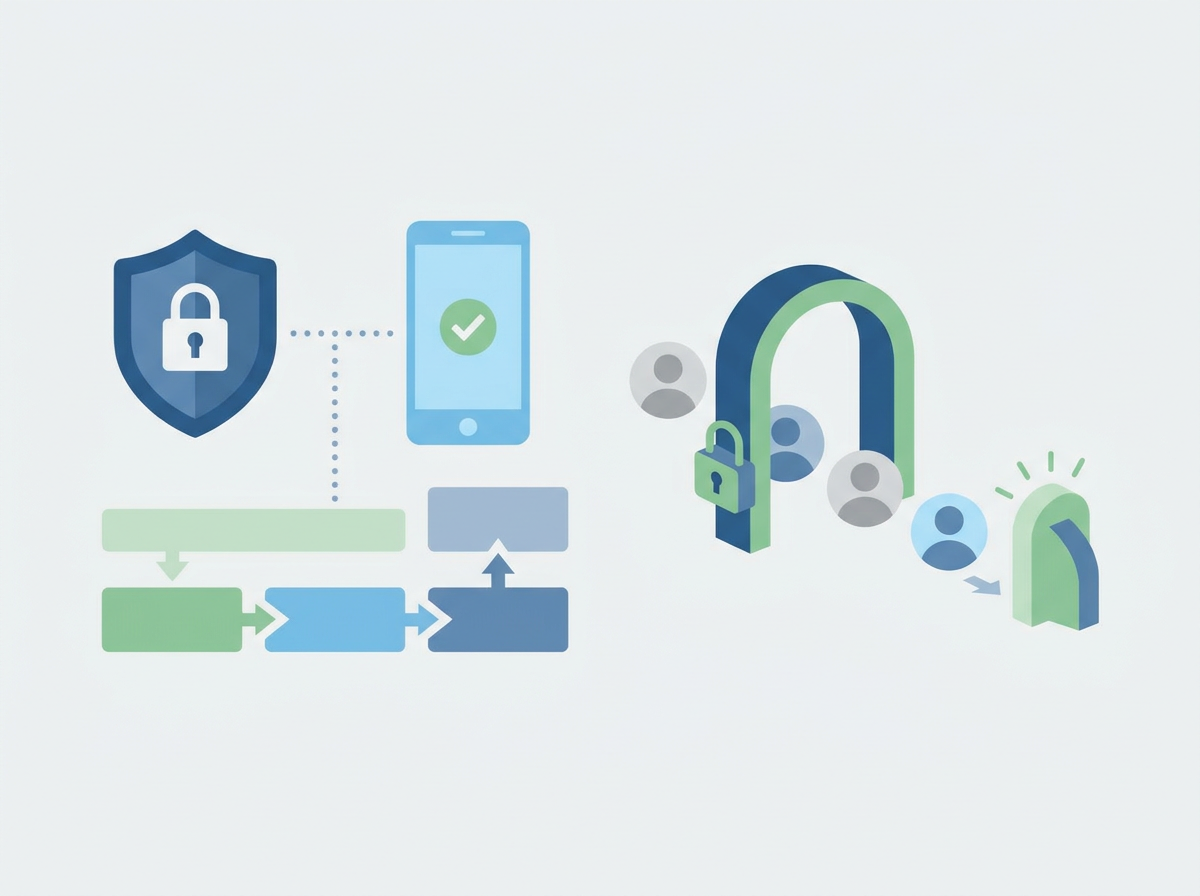
3) Add a simple verification habit for finance requests
Rather than relying on a disclaimer, build a rule:
- bank detail changes must be verified via a known phone number
- urgent payment requests must be confirmed out-of-band
The technical side (explained simply)
SPF / DKIM / DMARC (what they do)
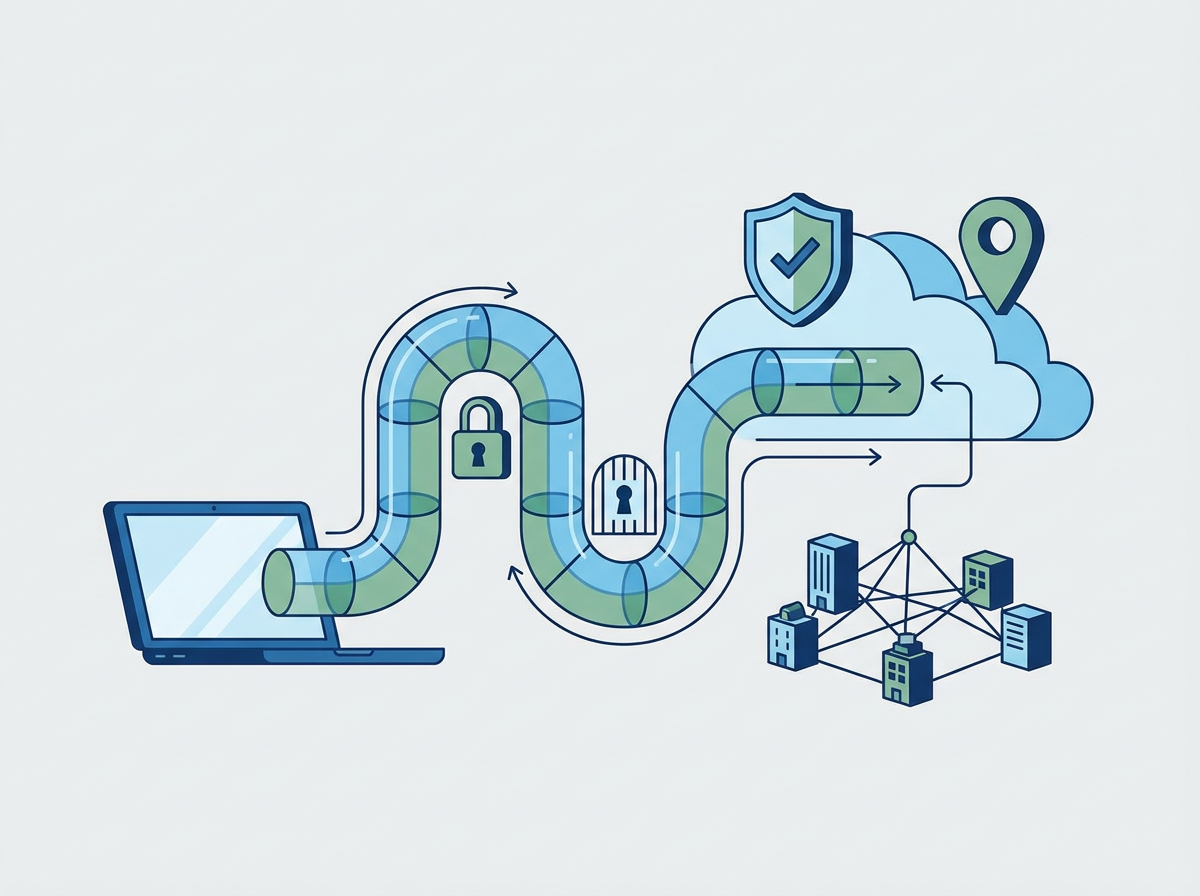
These are domain controls that help receiving mail systems verify whether an email is genuinely authorised by your domain. They reduce spoofing and improve trust signals. They’re not “signature settings,” but they support the same goal: making genuine email easier to verify.
Common mistakes
- signatures managed manually by each user (inconsistent and outdated)
- too much personal detail included
- relying on disclaimers instead of real verification processes
- ignoring domain authentication controls
FAQ
Will a standard signature stop invoice fraud?
Not on its own. The real protection is verification habits plus domain controls. The signature helps create consistency and reduce confusion.
Is this worth doing if we already have phishing training?
Yes. Training works best when “normal” is consistent and easy to recognise.
Does this help deliverability too?
It can indirectly, but deliverability is more strongly influenced by domain authentication and sending reputation.
If you want to reduce impersonation risk,
we can help you standardise signatures and tighten your email domain controls so genuine messages are easier to trust.