A practical cyber security baseline for UK SMEs in 2026: identity, email, devices, backups, monitoring, and staff habits—without the jargon.
Most UK SMEs don’t need “perfect” cyber security — they need a clear minimum standard that reduces real risk without slowing the business down. The challenge is that advice tends to be either vague (“train your staff”) or enterprise-heavy (“build a SOC”). A sensible SME baseline sits in the middle: it focuses on the controls that stop the most common attacks and gives you evidence you can show to clients, insurers, and auditors.
In 2026, the majority of SME incidents still start with identity compromise, phishing, weak device controls, or poor recovery capability. So your baseline should prioritise: strong sign-in security, hardened email, managed devices, reliable backups, and a culture where suspicious activity gets reported quickly. Amazing Support is a multi-award-winning, Microsoft Partner and Cyber Essentials Plus certified provider supporting UK SMEs across London, Greater London and Manchester — and in practice, this minimum standard is achievable for most businesses without drama.
In plain English: a minimum cyber security standard is the smallest set of controls that prevents most common attacks and lets you recover quickly if something still slips through.
The 7-part minimum standard for SMEs
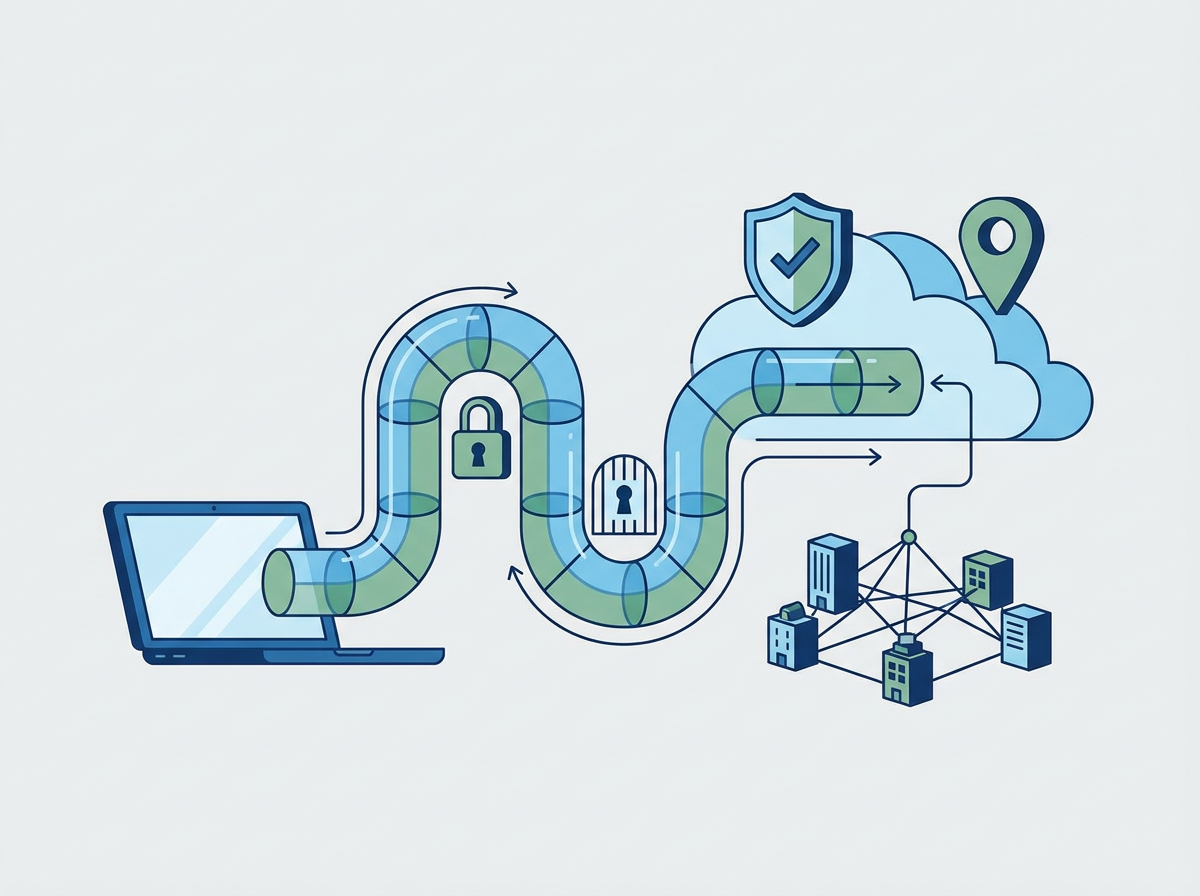
1) Identity security (Microsoft 365 sign-ins)
- MFA for every user (exceptions are rare and documented)
- stronger MFA methods where possible (reduce accidental approvals)
- separate admin accounts, protected more aggressively
- Conditional Access rules that block risky sign-ins and unmanaged devices where appropriate
2) Email security (because email is still the front door)
- strong spam/phishing filtering
- safe link/attachment handling policies
- domain authentication (SPF/DKIM/DMARC) to reduce spoofing
- a simple “verify payment / bank change requests” rule
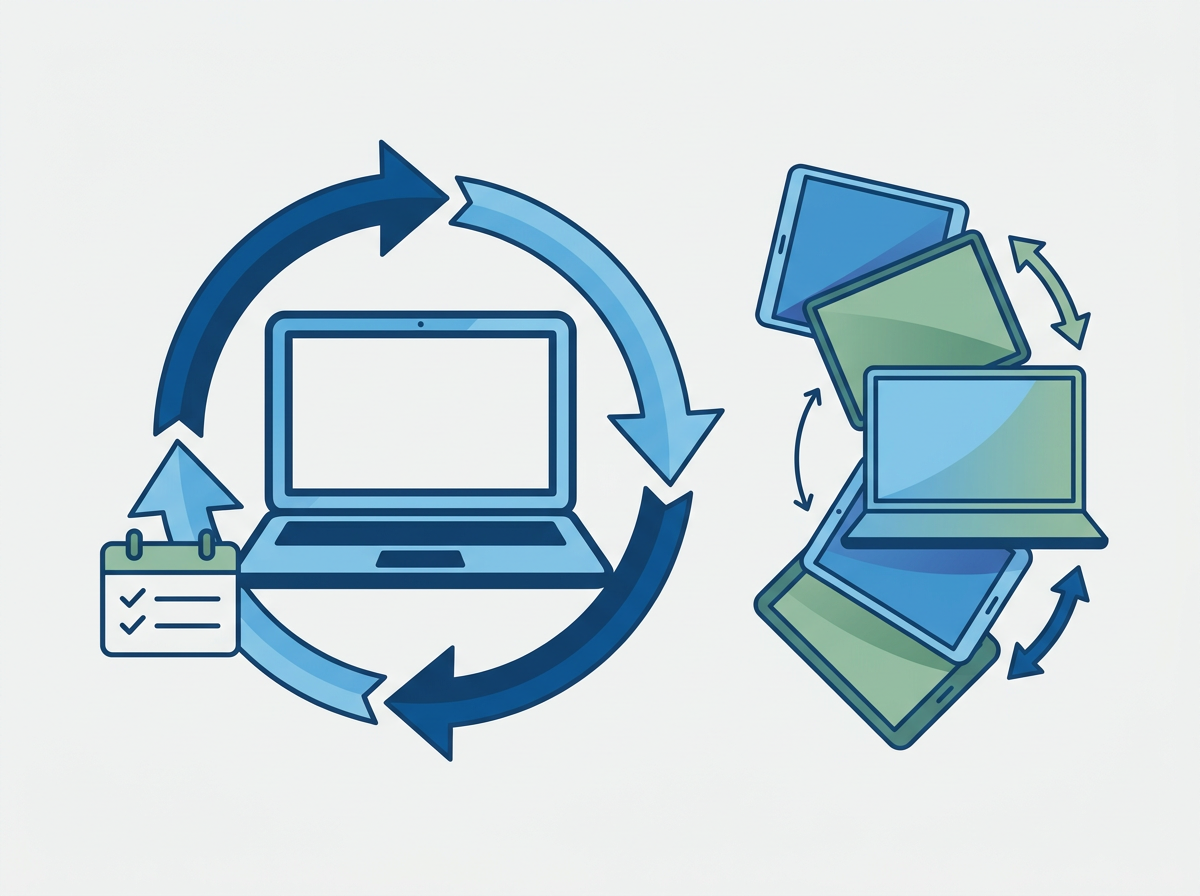
3) Managed devices (visibility + control)
- you know what devices exist and who uses them
- encryption, screen lock, and endpoint protection are enforced
- patching is consistent (Windows + third‑party apps)
- lost devices can be wiped
4) Backups and recovery you’ve actually tested
- backups cover what matters (including cloud data where needed)
- retention matches your business needs
- restore tests are performed and recorded
- you know priorities (what gets restored first)
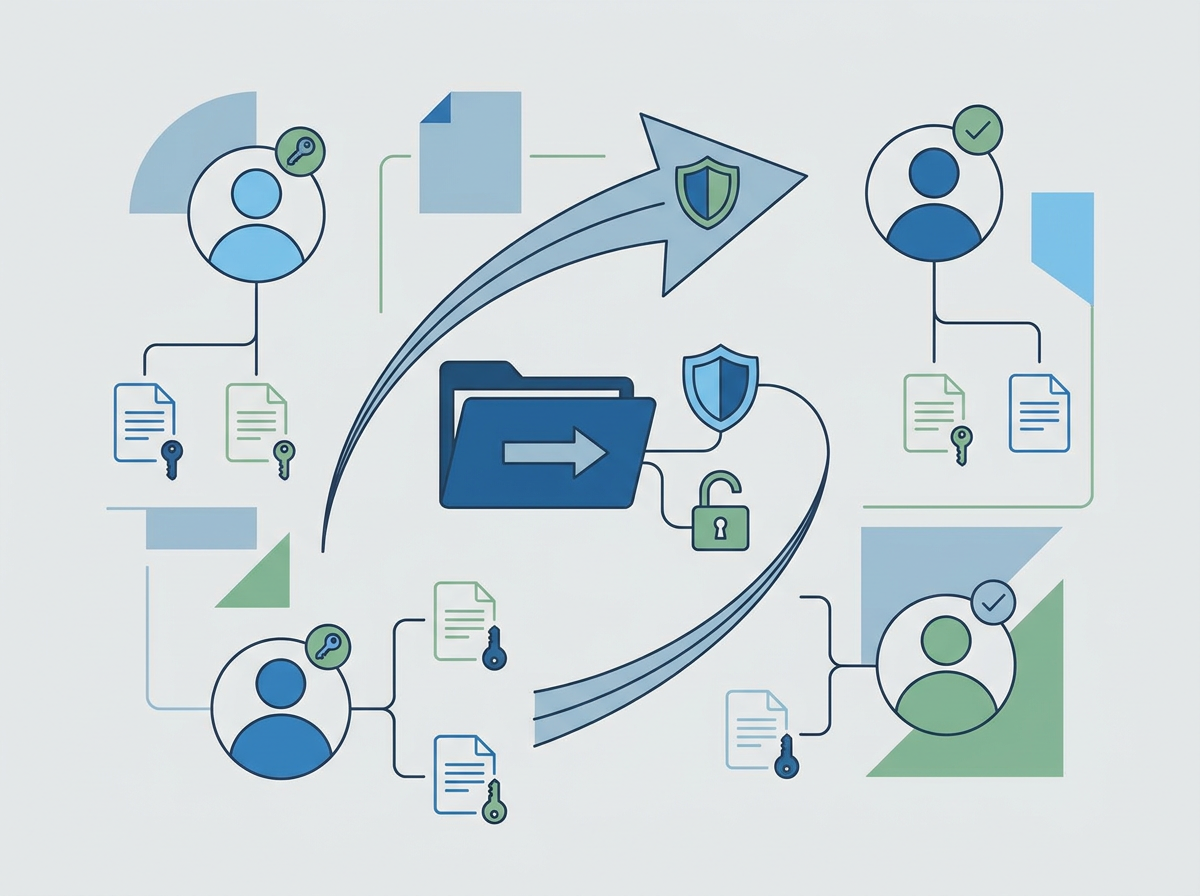
5) Least privilege access
- staff have only the access they need
- shared accounts are reduced
- leavers are handled fast and consistently
6) Monitoring and response basics
- you can see sign-in anomalies and device health
- alerts go somewhere that gets actioned
- escalation is clear when something looks wrong
7) Staff habits and reporting culture
- short, practical awareness (not fear-based)
- phishing simulations used for learning, not shaming
- reporting suspicious emails is easy and encouraged
FAQ
Is this enough to stop all attacks?
No — but it stops a large percentage of common attacks and makes the rest easier to contain and recover from.
What’s the fastest win for most SMEs?
Tightening identity security (MFA + Conditional Access) and making patching/backup reporting visible.
Does this align with Cyber Essentials Plus?
Yes. It’s not identical, but it strongly supports the same “good hygiene” outcomes.
If you want a baseline that’s practical (not theoretical), we can assess your current setup and put a minimum standard in place with clear reporting.
Get In Touch with us today.