Should your London SME outsource IT or keep it in-house? An in-depth 2026 comparison: costs, risks, benefits, and decision checklists.
Outsourced IT Support vs. In-House IT: A 2026 Guide for London SMEs
The IT support landscape for London SMEs is evolving fast. With hybrid work, cyber threats, and the need for agility, many businesses are rethinking whether to build an internal IT team or outsource to a managed provider.
Amazing Support is a multi-award winning, Microsoft Partner and Cyber Essentials certified provider supporting SMEs across London, Greater London, and Manchester. Here’s a deep dive into the pros, cons, and practical decision factors for 2026.
1) What does outsourced IT support mean in 2026?
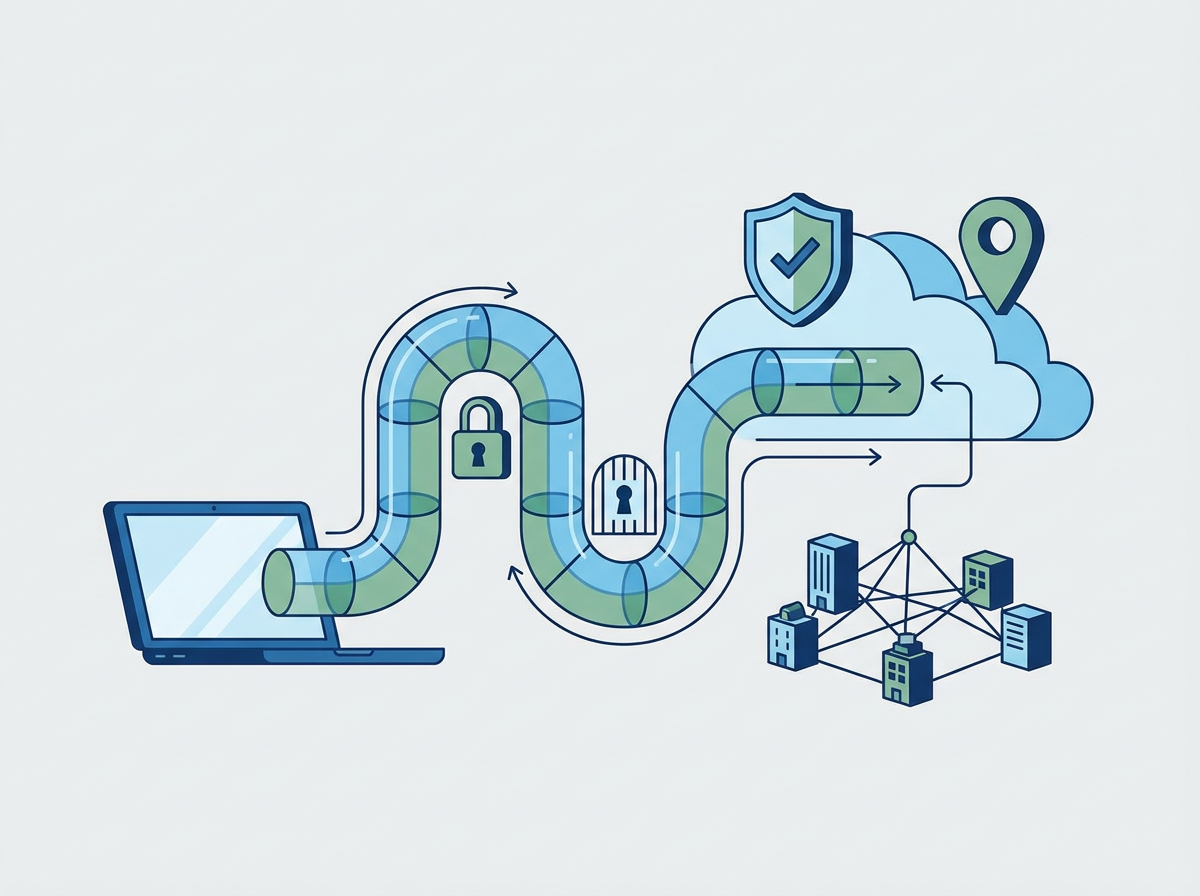
- A specialist external partner manages your IT helpdesk, security, monitoring, device management, and strategic planning.
- Support is typically delivered remotely, with on-site visits as needed.
- Providers offer proactive monitoring, patching, backup, and compliance support.
2) What does in-house IT look like?
- One or more internal staff handle day-to-day IT, user support, projects, and (sometimes) security.
- The business owns recruitment, training, and knowledge management.
- Internal teams may still rely on external partners for specialist projects or overflow.
3) Key differences: a side-by-side comparison
4) Checklist: When outsourcing makes sense
- You want predictable costs and clear SLAs
- Your business is growing or has multiple sites
- Security, compliance, and reporting are priorities
- You can’t justify a full in-house team (or want to complement a small internal team)
- You need access to a broader skillset and fast response
5) Checklist: When in-house might be right
- You have complex, bespoke systems needing daily hands-on support
- You’re large enough to support multiple IT roles (50–100+ users)
- You want direct control over every aspect of IT
- You’re in a highly regulated sector requiring on-premise control
6) Hybrid models: the best of both worlds?
Many SMEs now use a hybrid model:
- Internal IT manager for strategy and on-site needs
- Outsourced partner for helpdesk, projects, security, and overflow
This balances control with expertise and coverage.
7) Cost breakdown: real numbers for London SMEs
- Outsourced: £35–£55 per user/month for managed support; projects extra
- In-house: £40–£70k/year per IT manager/engineer, plus recruitment, training, cover for sickness/holidays
8) Risks to watch
- Outsourced: beware unclear contracts, weak SLAs, or poor communication
- In-house: risk of knowledge loss if key staff leave, higher single-point-of-failure risk
FAQs
Is outsourced IT support secure?
Yes—if you choose a provider with Cyber Essentials or similar certifications, clear processes, and transparent reporting.
Can I switch between models later?
Absolutely—many SMEs start in-house, then outsource, or vice versa.
How do I benchmark providers?
Compare SLAs, security standards, reporting, and client testimonials.
What’s the most common mistake?
Choosing on price alone, without checking what’s actually included.
We can benchmark your current
IT support model and show you what a hybrid or fully outsourced approach would look like for your business—cost, coverage, and risk.