Patch management is one of the highest-impact security controls for SMEs. Here’s a practical routine for Windows and third‑party updates, with verification.
Patch Management for SMEs: The Simple Routine That Prevents Most Breaches
Most successful cyber attacks against SMEs don’t start with Hollywood hacking — they start with something old and exposed. An unpatched laptop. A browser that hasn’t updated. A vulnerable third‑party app. Or a device that “missed” updates for months because it was off-network, rarely rebooted, or nobody owned the process. That’s why patch management remains one of the most effective security controls available: it removes known weaknesses that attackers actively look for.
The challenge is that SMEs often treat patching as a background task rather than a managed routine. Updates happen inconsistently, third‑party apps get missed, and there’s no easy way to answer “are we actually up to date?” A good patch routine doesn’t need to be complex — it needs to be consistent, measurable, and designed around how people really work.
Amazing Support is a multi-award-winning, Microsoft Partner and Cyber Essentials Plus certified provider supporting UK SMEs across London, Greater London and Manchester. In practice, the biggest patching wins come from three things: clear ownership, a predictable schedule, and verification.
In plain English: patch management is the process of keeping operating systems and applications updated across all devices, on a schedule, with reporting to prove it’s working.
What SMEs should patch (it’s more than Windows)
1) Operating systems
- Windows and macOS updates
- server operating systems (if you have them)
2) Browsers
Browsers are a major attack surface. Keeping them current reduces risk fast.
3) Third‑party applications
Commonly missed:
- PDF readers
- Java runtimes (where still used)
- remote access tools
- collaboration tools and plugins
- line-of-business apps
4) Network and security devices
Firewalls, Wi‑Fi, and other network kit need firmware updates too.
A practical patch routine for SMEs
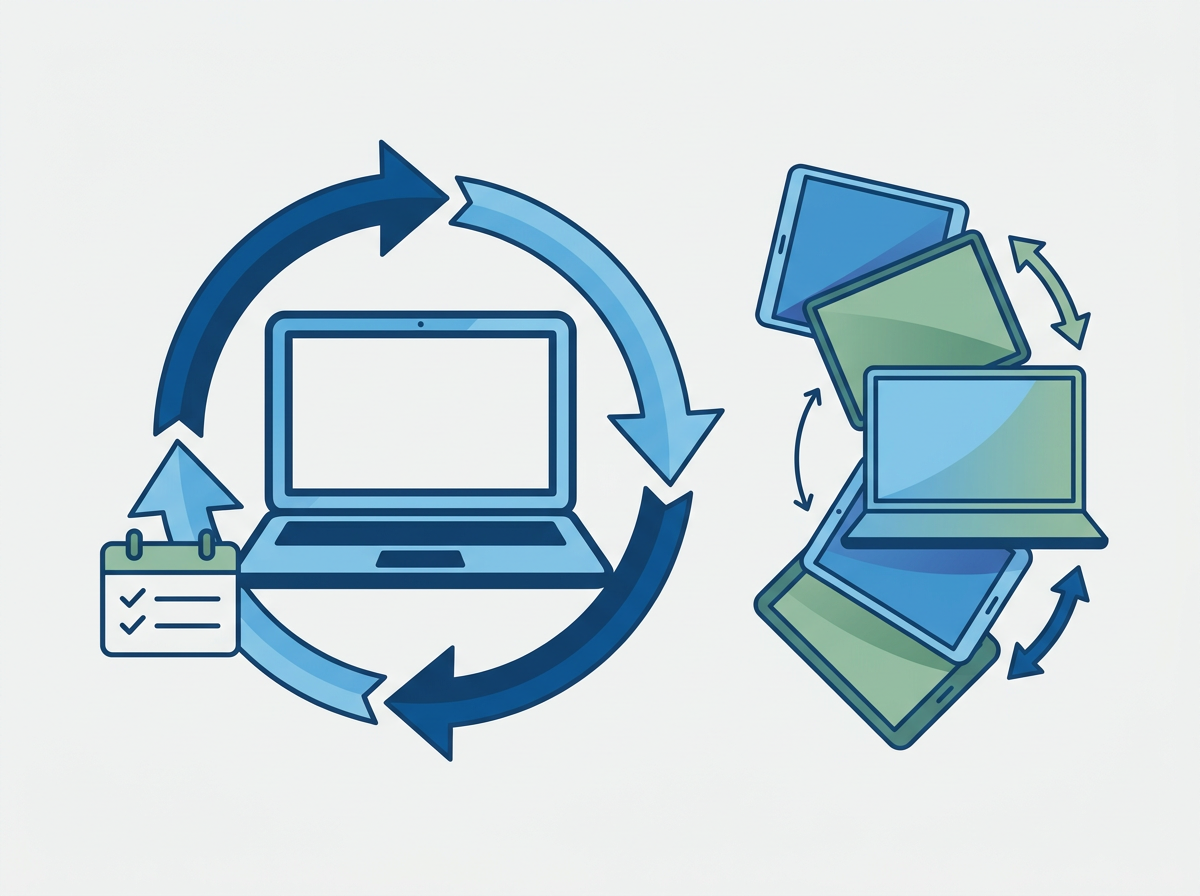
Step 1: Set a patch window
Most SMEs do well with:
- a monthly standard patch window for routine updates
- an “urgent” path for critical vulnerabilities
Step 2: Separate critical from routine
Not every update is urgent, but some are. The key is having a clear rule for what gets accelerated.
Step 3: Make rebooting normal
Many updates don’t apply properly until devices reboot. A good routine includes a reboot expectation.
Step 4: Verify and report
You need to be able to answer:
- what % of devices are fully patched
- which devices are lagging and why
- how long critical updates take to roll out
Why patching fails in SMEs (common causes)
- remote devices that don’t check in reliably
- users delaying reboots indefinitely
- no visibility into third‑party app patching
- “we assume Windows Update handles it”
- no owner, no reporting, no accountability
FAQ
Is patching really that important if we have antivirus?
Yes. Antivirus helps, but patching removes the vulnerabilities attackers exploit in the first place.
How quickly should we apply critical patches?
As quickly as practical, based on risk and exposure — the key is having a defined urgent path.
Does patching help with Cyber Essentials Plus?
Yes. Consistent patching and evidence/reporting are central to demonstrating good control.
If patching feels inconsistent or invisible, we can help you put a simple but
managed IT support routine in place with reporting so you always know where you stand.