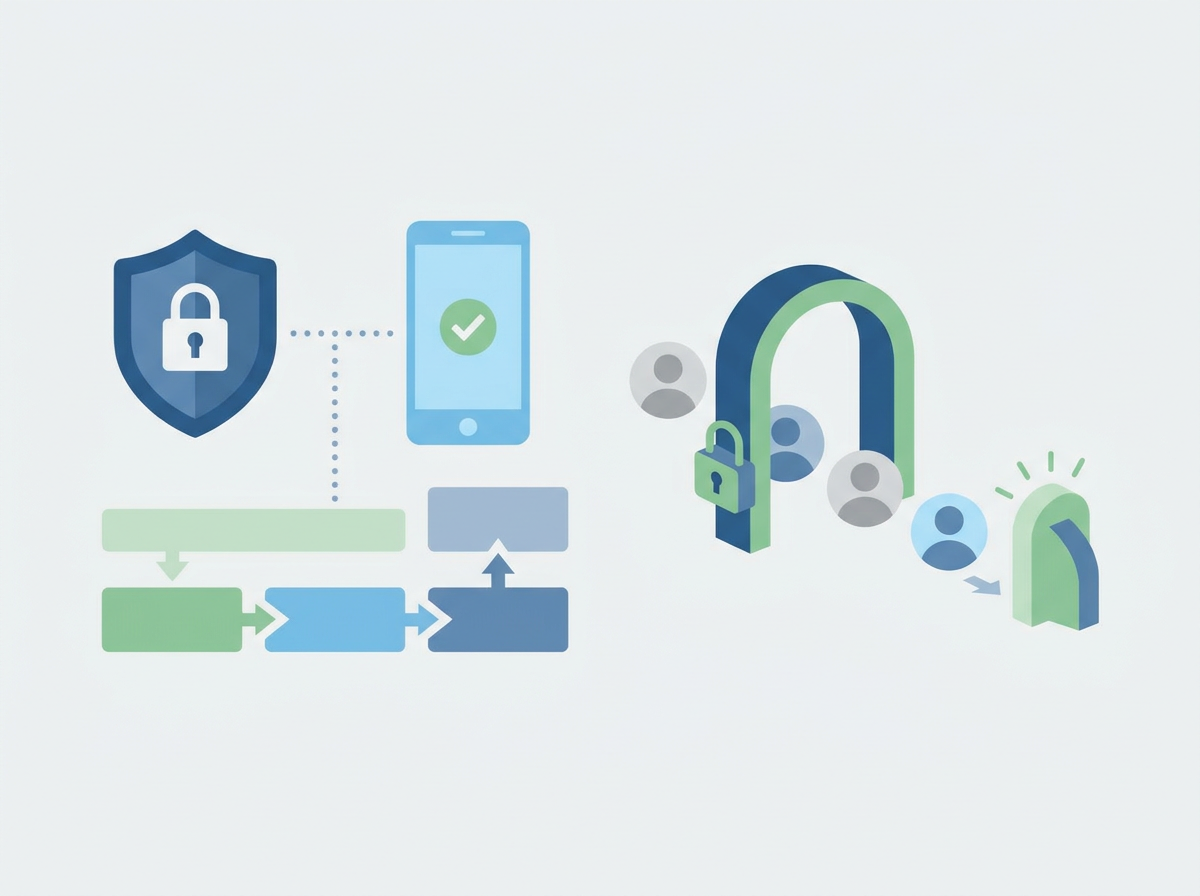
Suppliers can introduce risk through access and data handling. Here’s a simple SME vendor risk process: classify, check basics, contract, and review.
Supplier Risk for SMEs: How to Assess SaaS Vendors Without Becoming a Bureaucracy
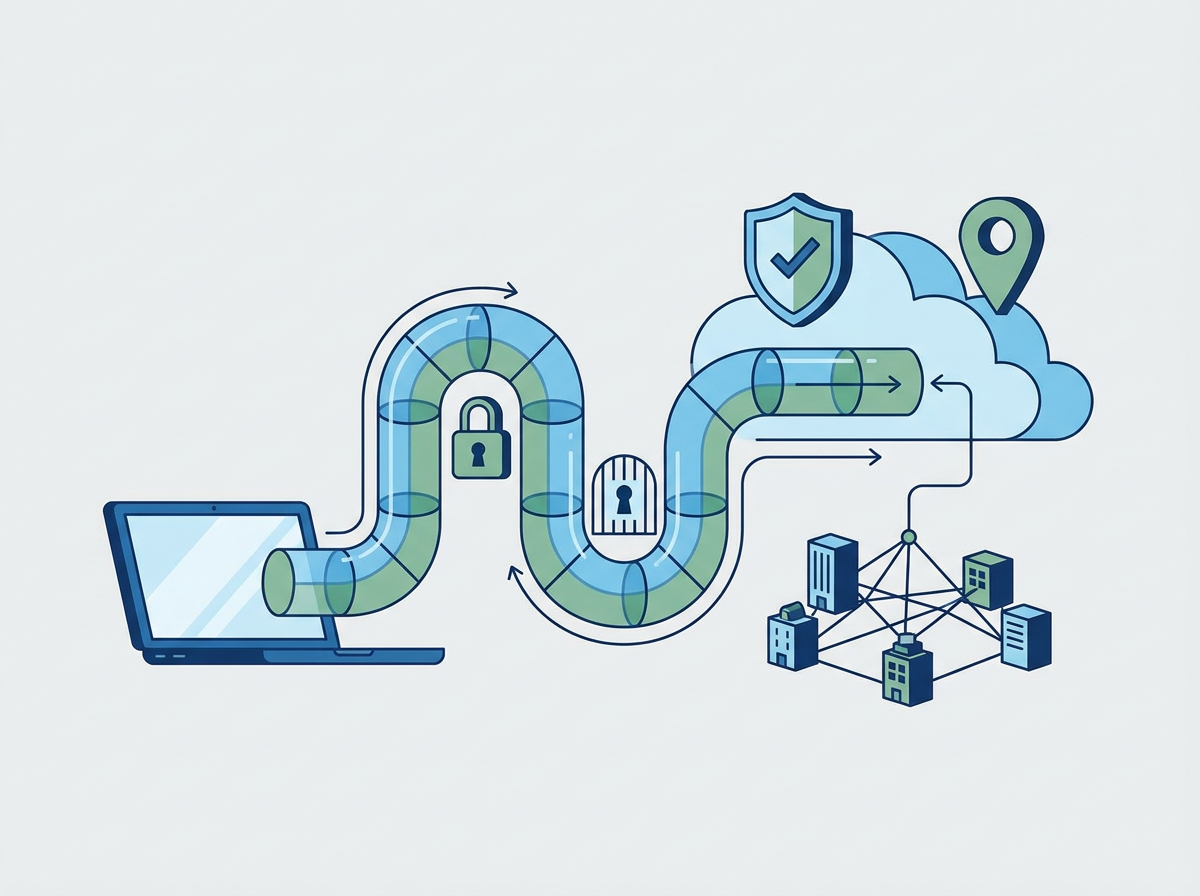
SMEs rely on suppliers more than ever: SaaS tools, outsourced finance, marketing agencies, IT providers, and specialist platforms that hold business data. The upside is speed and capability. The downside is that suppliers can become a security and continuity risk — not because they’re “bad,” but because they have access to your data, your systems, or your operations. If a supplier is breached, goes down, or mishandles access, your business can be impacted quickly.
The good news is that SMEs don’t need an enterprise procurement department to reduce supplier risk. A simple, repeatable process can catch most issues: classify the supplier by risk, check a small set of basics, make sure contracts and access are sensible, and review periodically. The goal is to be consistent — not perfect.
Amazing Support is a multi-award-winning, Microsoft Partner and Cyber Essentials Plus certified provider supporting UK SMEs across London, Greater London and Manchester. In practice, supplier risk becomes manageable when you treat access and data handling as first-class concerns, not afterthoughts.
In plain English: supplier risk management is checking that third-party vendors who access your systems or data meet basic security and reliability expectations.
Step 1: Classify suppliers by risk (simple tiers)
Low risk
No sensitive data, no system access.
Medium risk
Some business data, limited access.
High risk
Sensitive data, admin access, or business-critical service.
Step 2: Ask the right questions (without a 50-page form)
For medium/high risk suppliers, confirm:
- do they support MFA for accounts?
- how do they handle staff access internally?
- do they have a security policy and incident process?
- do they encrypt data and backups?
- what’s their uptime/continuity approach?
- what data do they store and where?
- how do you export your data if you leave?
Step 3: Control access on your side
- least privilege access (only what they need)
- named accounts (avoid shared logins)
- remove access when projects end
- review access quarterly
Step 4: Put the basics in the contract
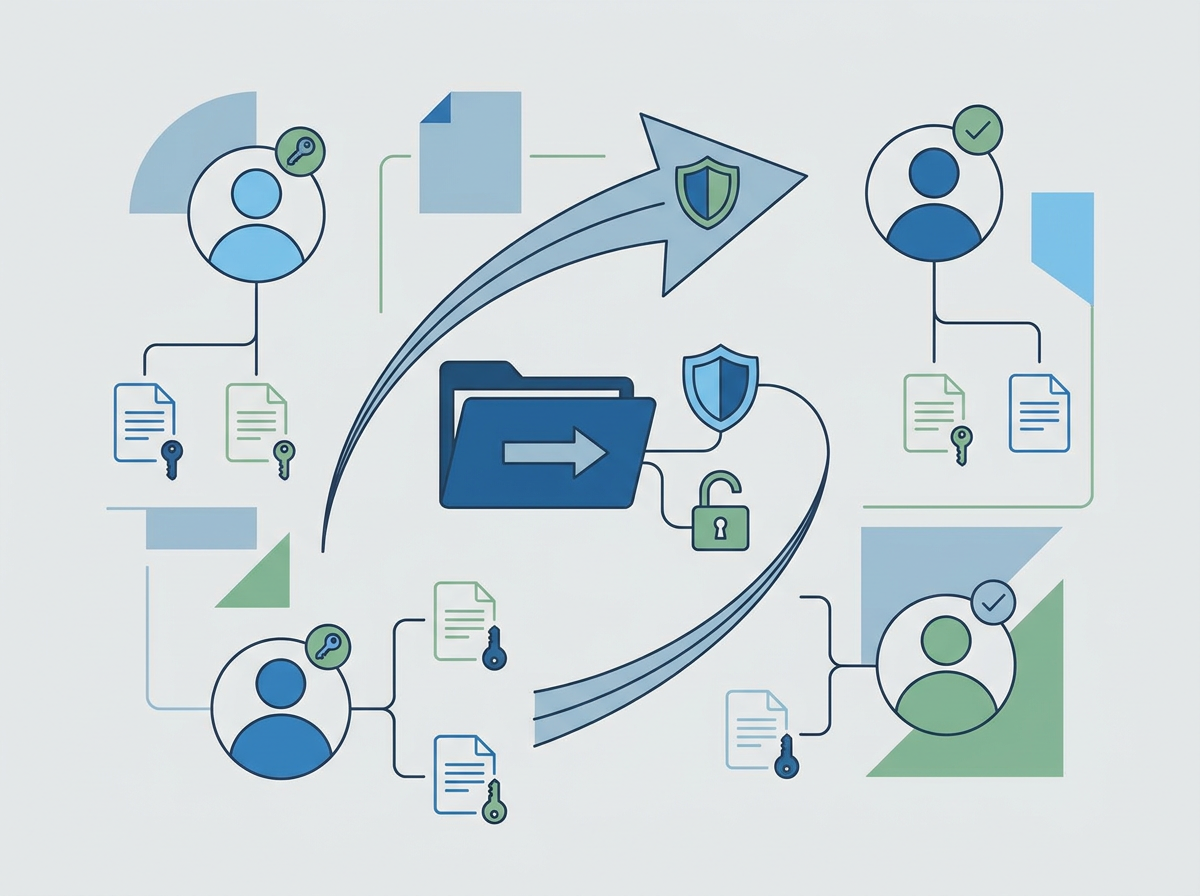
- data ownership and return
- breach notification expectations
- support response expectations
- termination and offboarding process
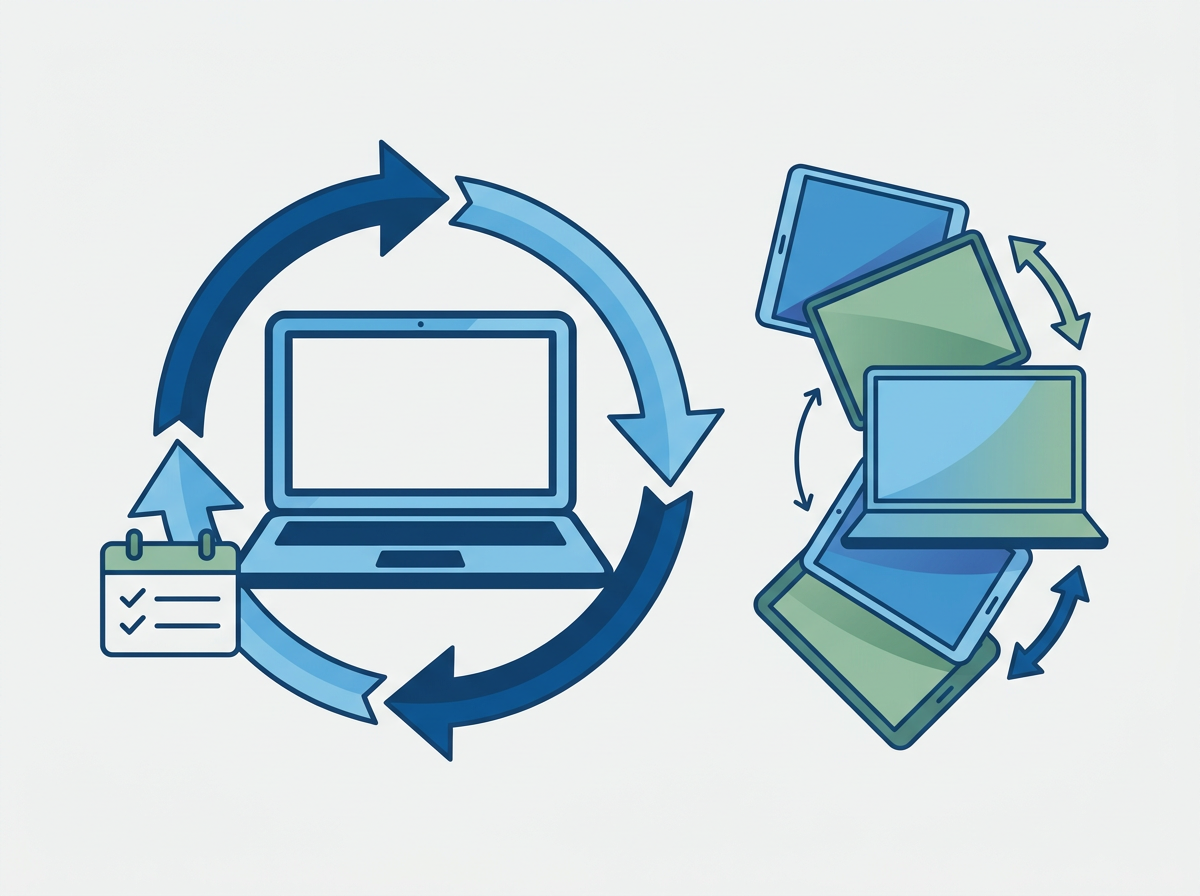
Step 5: Review periodically
Supplier risk isn’t “done.” Review annually or when:
- the supplier gains more access
- you move more sensitive data into the platform
- the supplier changes ownership or service model
FAQ
Isn’t this overkill for SMEs?
No. A lightweight process prevents common failures and reduces exposure.
What’s the biggest supplier risk in practice?
Over-broad access and lack of visibility into what the supplier can do.
Does cyber insurance care about suppliers?
Often yes, especially for high-risk suppliers and access controls.
If you’re adding more SaaS tools or suppliers, we can help you implement a simple IT vendor risk routine that keeps the business moving fast without creating blind spots.
Get in Touch with us.